Inside Wellness Centre Martagon
A Preview Before the Public Opening
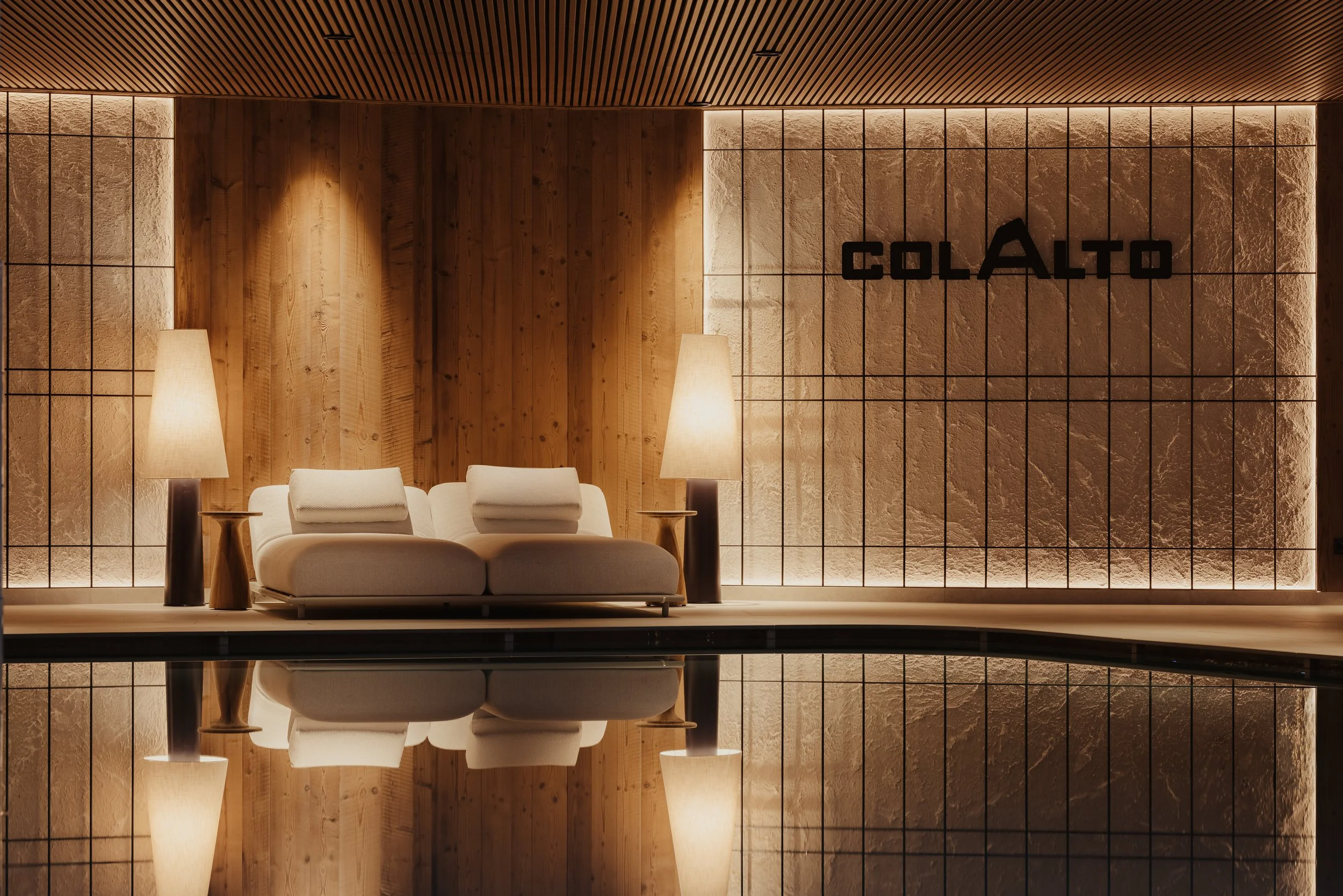
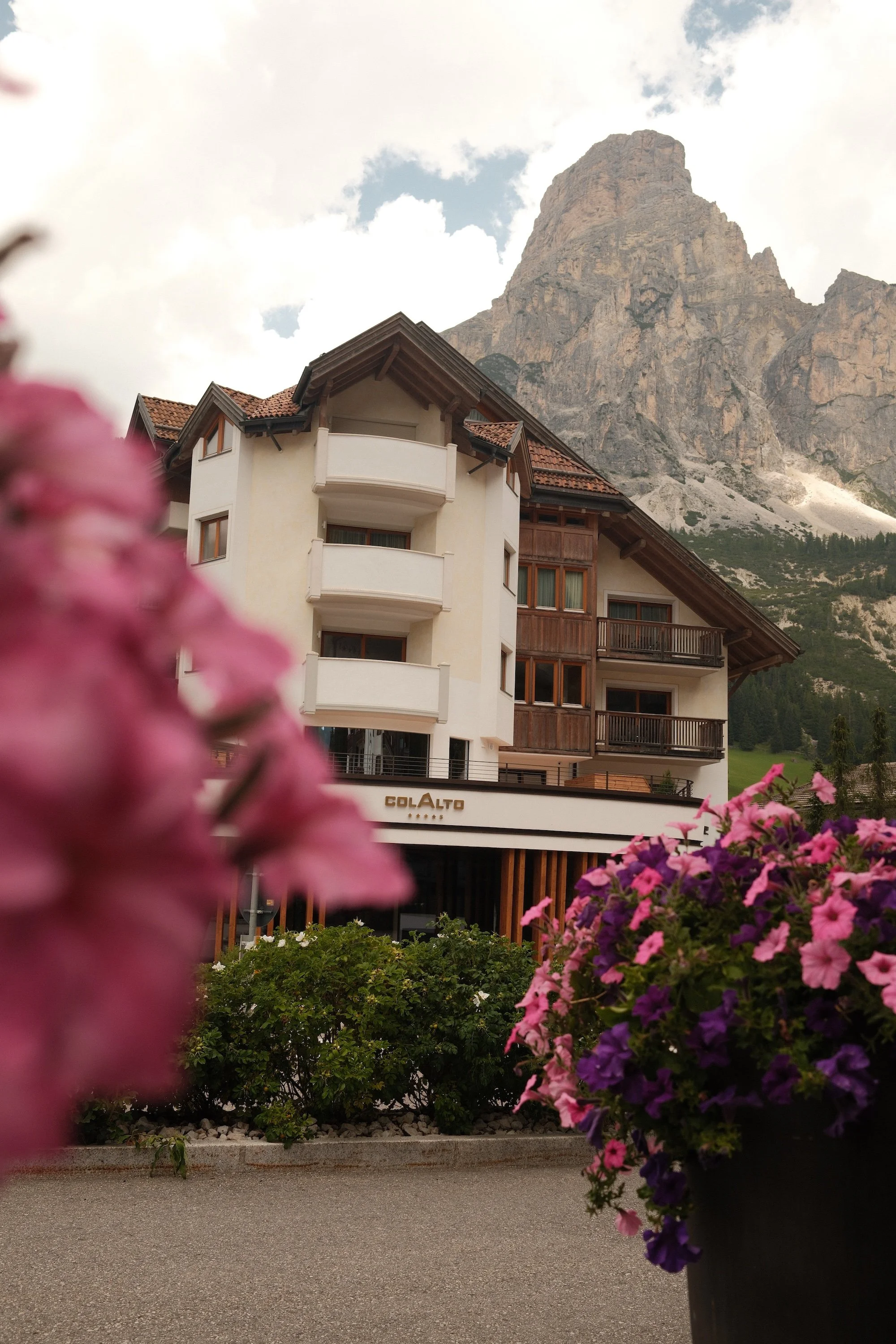
Hotel Col Alto, in the heart of Corvara, has been part of the valley's hospitality since 1938. This summer, the hotel opened a new chapter: Wellness Centre Martagon, a doubled and completely reimagined spa now spanning more than 2,000 square metres, among the largest and best equipped in Alta Badia. I was invited to experience it as a guest before it opened to the public, and returned shortly after for a series of invitation-only events, where I led Hypno-Sound Bath sessions for a small, selected group of guests.
Being early to a space like this changes how you experience it. There is a stillness to a spa before it opens to the public that is hard to recreate once it is fully in use. Hotel Col Alto has been run by the Pezzei family for generations and holds GSTC sustainability certification since 2025.
What's Inside Wellness Centre Martagon
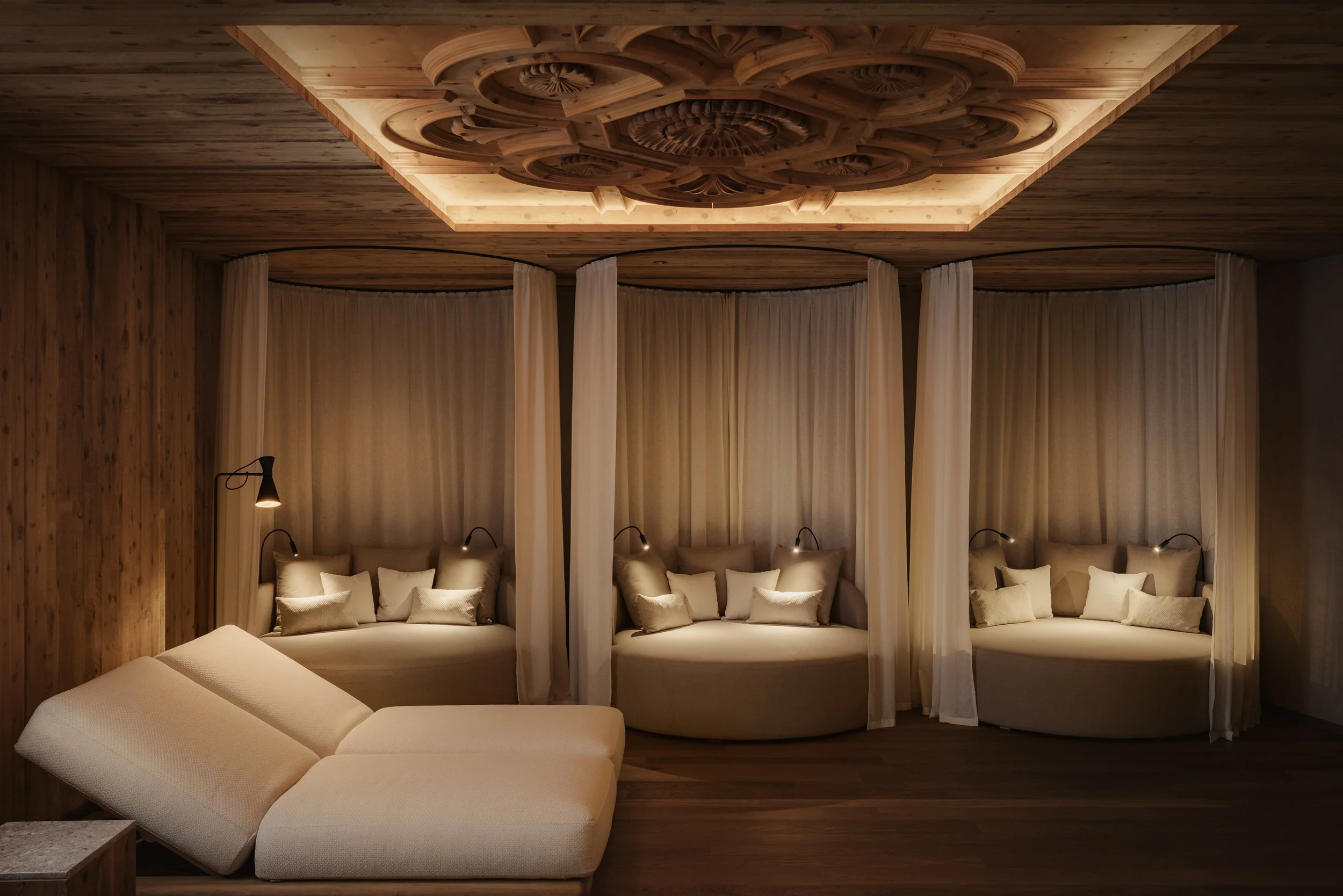
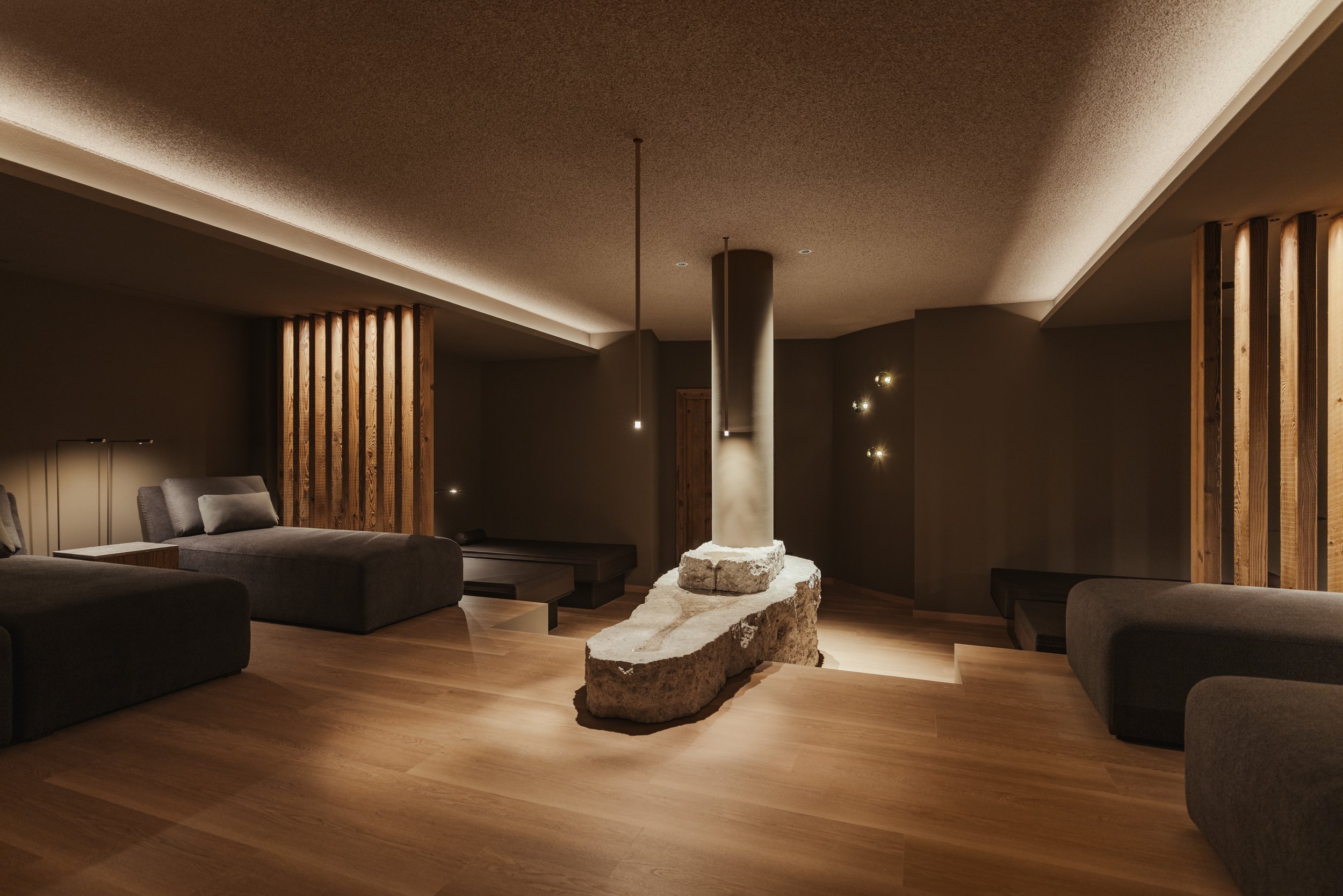
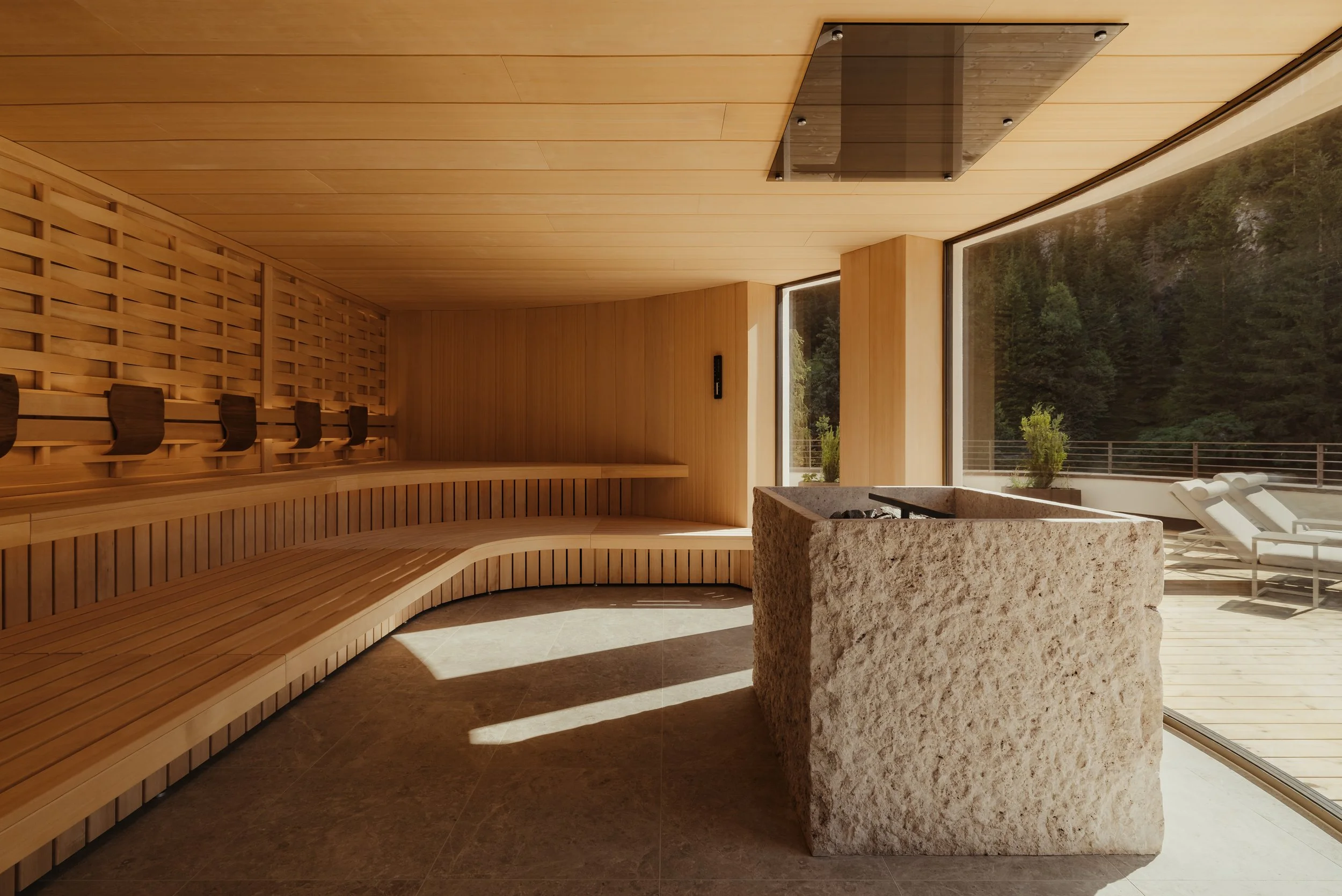
The name Martagon comes from the wild alpine lily native to the Dolomites, a nod to the surrounding landscape that the design leans into deliberately, with large windows framing the mountains from nearly every room. Spread across the new footprint:
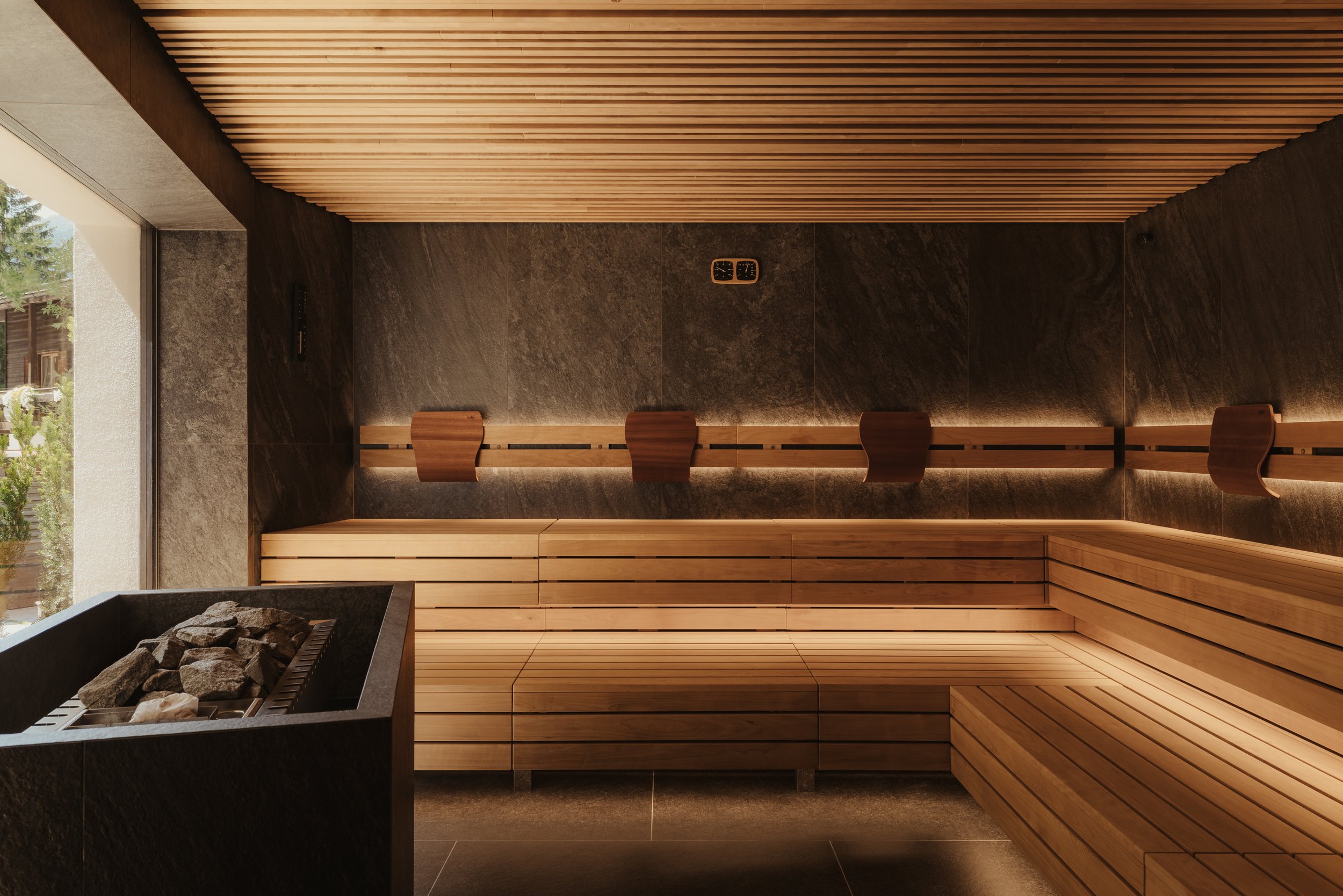
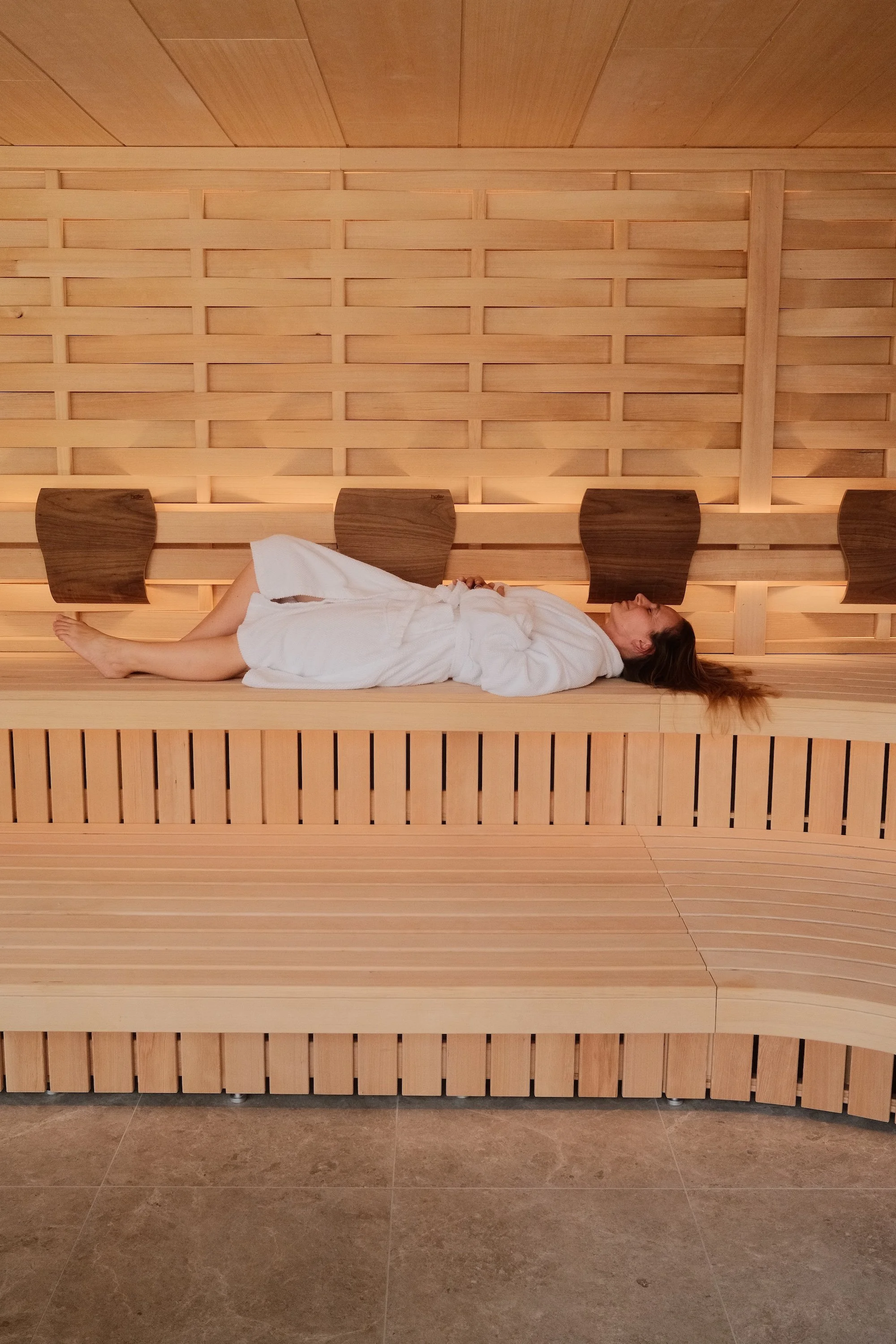
A panoramic sauna and a traditional Finnish sauna
A Turkish bath and a separate aromatic Turkish bath
An indoor pool and an outdoor panoramic hot tub
An immersion tub, which is where the cold plunge happens, and it is every bit as bracing as it sounds
Relax areas, some fitted with water beds
A panoramic gym equipped with Technogym machines, with the Dolomites visible through floor-to-ceiling glass
The treatment menu ranges from classic anti-stress massage and lymphatic drainage to more specific rituals: hot stone massage, Thai massage with bamboo canes, Ayurvedic crystal rituals, and detox wraps made with alpine mud and mountain pine, all built on natural, locally sourced ingredients.
Leading a Hypno-Sound Bath Before the Doors Opened
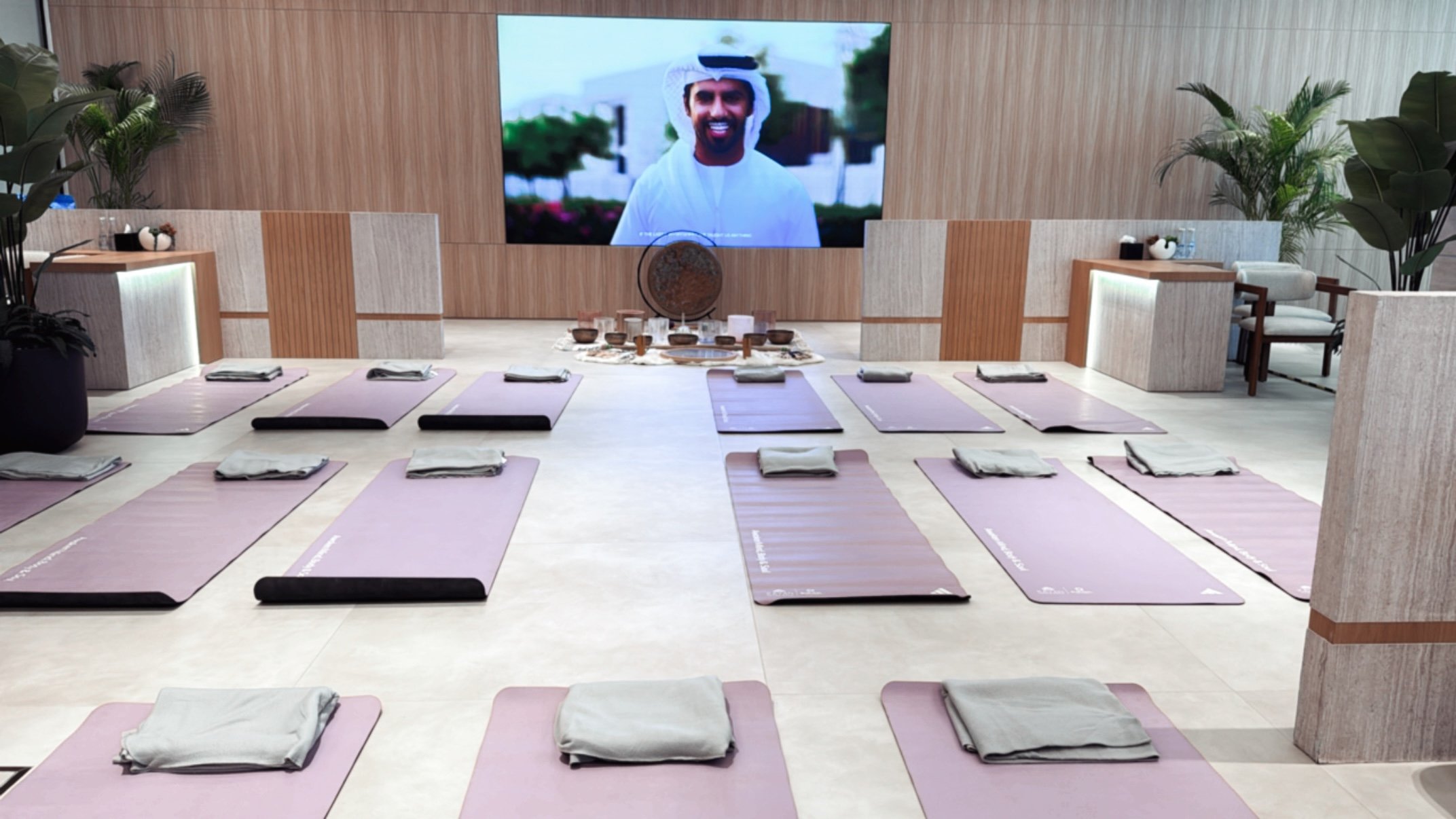
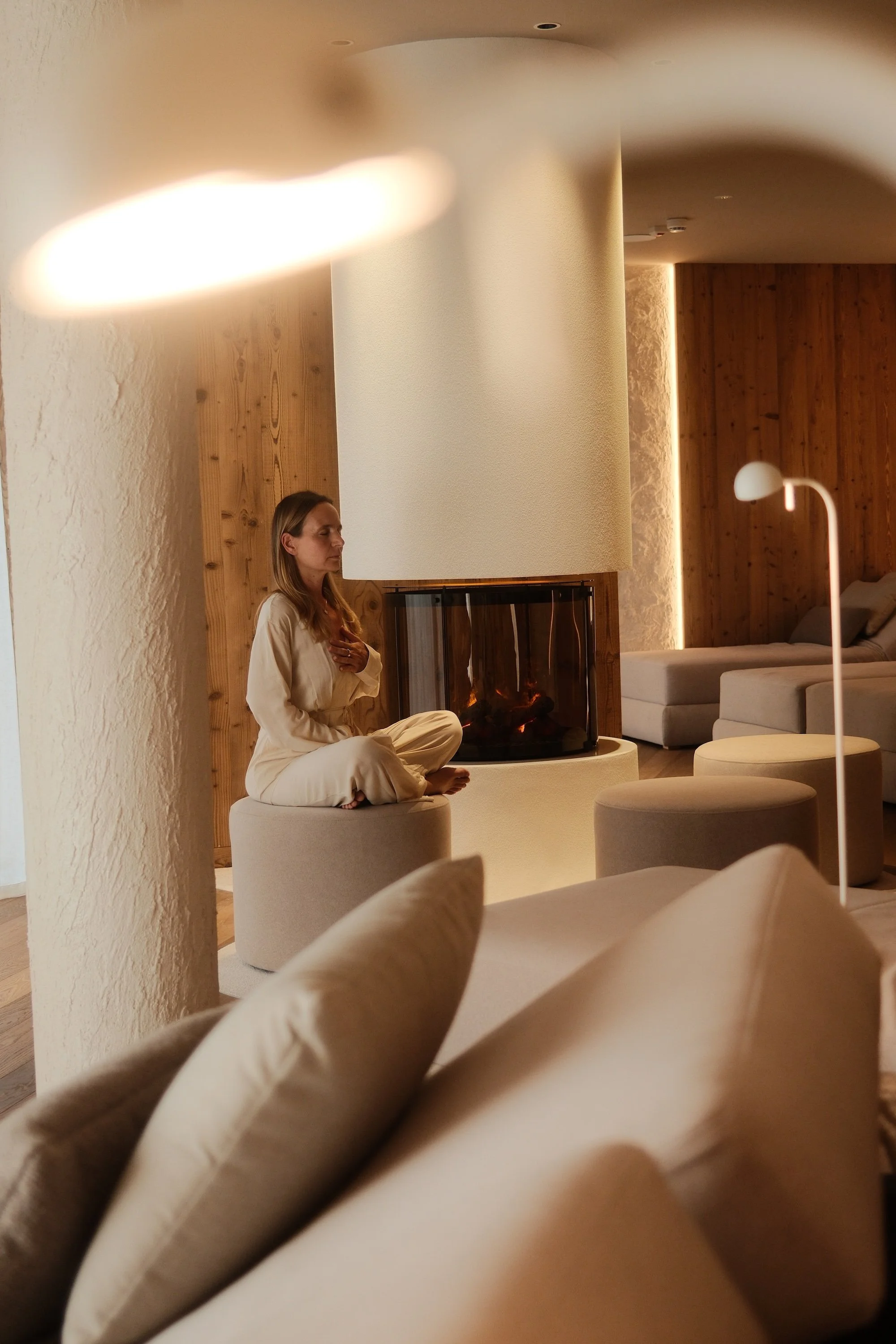
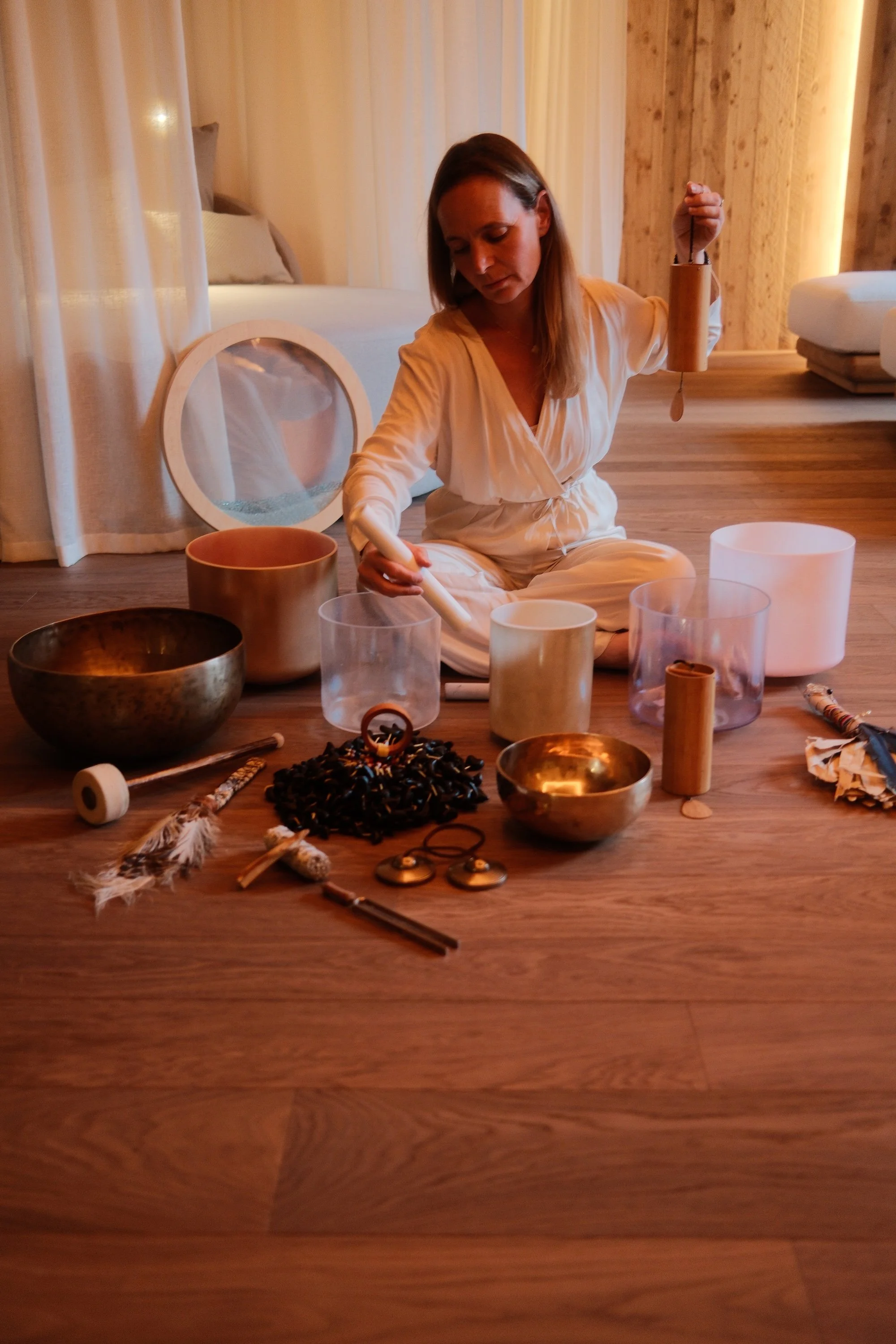
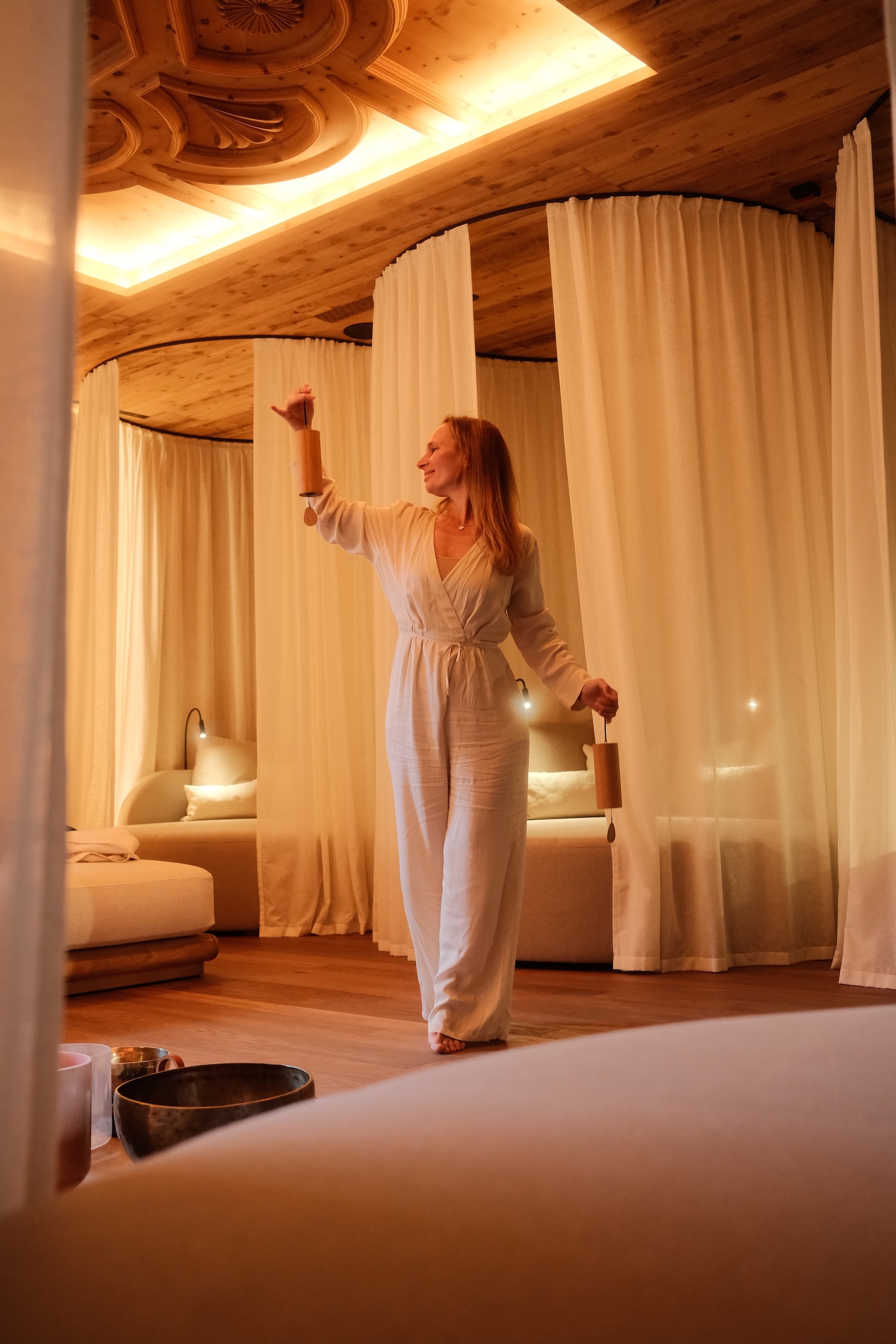
For the invitation-only events, I led Hypno-Sound Bath sessions for a small group of guests, pairing guided hypnotic relaxation with live sound in a space that had not yet been opened to the public. I played my Grotta Sonora gong for the sessions, the same gong I bring to most of my sound bath work, and its low, sustained tone filled a room built for exactly that kind of resonance, all natural materials and high ceilings.
Pairing a sound bath with a brand-new spa makes a certain amount of sense. Both are, at their core, about giving the nervous system permission to slow down before it is asked to do anything else. Guests moved from the sound bath straight into the space itself afterward, still in that loose, unhurried state a good session leaves behind, which is arguably the best possible way to walk into a spa for the first time.
A Quick Detour to the Kids' Area
The wellness centre includes a separate kids' area, entirely apart from the adult spa, and I will admit to sneaking a look inside. There is a slide. No adult, wellness practitioner or otherwise, is immune to a good slide. Altha will be partnering with Hotel Col Alto on a series of wellness events at Wellness Centre Martagon going forward, bringing Hypno-Sound Bath sessions to the Dolomites alongside a spa built, quite literally, around the same principle: rest as something you have to design space for, not something that happens by accident.
What the Research Says
About Sauna, Cold Plunge, and Sound Healing
Regular sauna use has one of the stronger evidence bases in this space. A 2015 study in JAMA Internal Medicine followed more than 2,300 middle-aged Finnish men for an average of 20 years and found frequent sauna bathing associated with a lower risk of fatal cardiovascular events and all-cause mortality. It was observational, in Finnish men, so it shows association rather than proof of cause and effect, but later research from the same group links frequent sauna use to reduced risk of stroke and dementia too.
Cold plunge has a more mixed evidence base. A Cochrane review found fairly consistent evidence that cold water reduces perceived muscle soreness after intense exercise, but evidence for improved strength or performance is inconsistent, and most research focuses on athletes rather than general wellness use. Sound healing sits in a similar place: a small but growing body of research, including a 2017 study on Tibetan singing bowls, found measurable short-term drops in tension and mood disturbance, though larger controlled trials are still needed.
Photo Credit: Alex Moling (via Hotel Col Alto) & Vitor Melo
Frequently Asked Questions
-
A. Wellness Centre Martagon is the newly expanded spa at Hotel Col Alto in Corvara, opened in 2026 and spanning more than 2,000 square metres. It includes saunas, Turkish baths, an indoor pool, an outdoor hot tub, relax areas, and a panoramic gym.
-
A. The treatment menu includes classic massage, lymphatic drainage, and reflexology, alongside hot stone massage, Thai bamboo massage, Ayurvedic crystal rituals, and detox wraps made with alpine mud and mountain pine, all built on natural, locally sourced products.
-
A. A Hypno-Sound Bath combines clinical hypnotherapy with live sound healing instruments such as gongs and singing bowls. Guided hypnotic language brings the mind into a relaxed, receptive state while the sound supports the body's shift out of stress response and into rest.
-
A. Hotel Col Alto sits in the centre of Corvara, in the Alta Badia valley of the Dolomites, a short walk from the lifts connected to the Dolomiti Superski network. More information is available at colalto.it.
-
A. Regular sauna use is linked in long-term observational research to a lower risk of cardiovascular death, stroke, and dementia, though the strongest evidence comes from studies in Finnish men, so results may not generalize to everyone. Cold plunge has reasonably good evidence for reducing perceived muscle soreness after intense exercise, but weaker and more mixed evidence for improving strength, performance, or recovery as a general wellness habit.