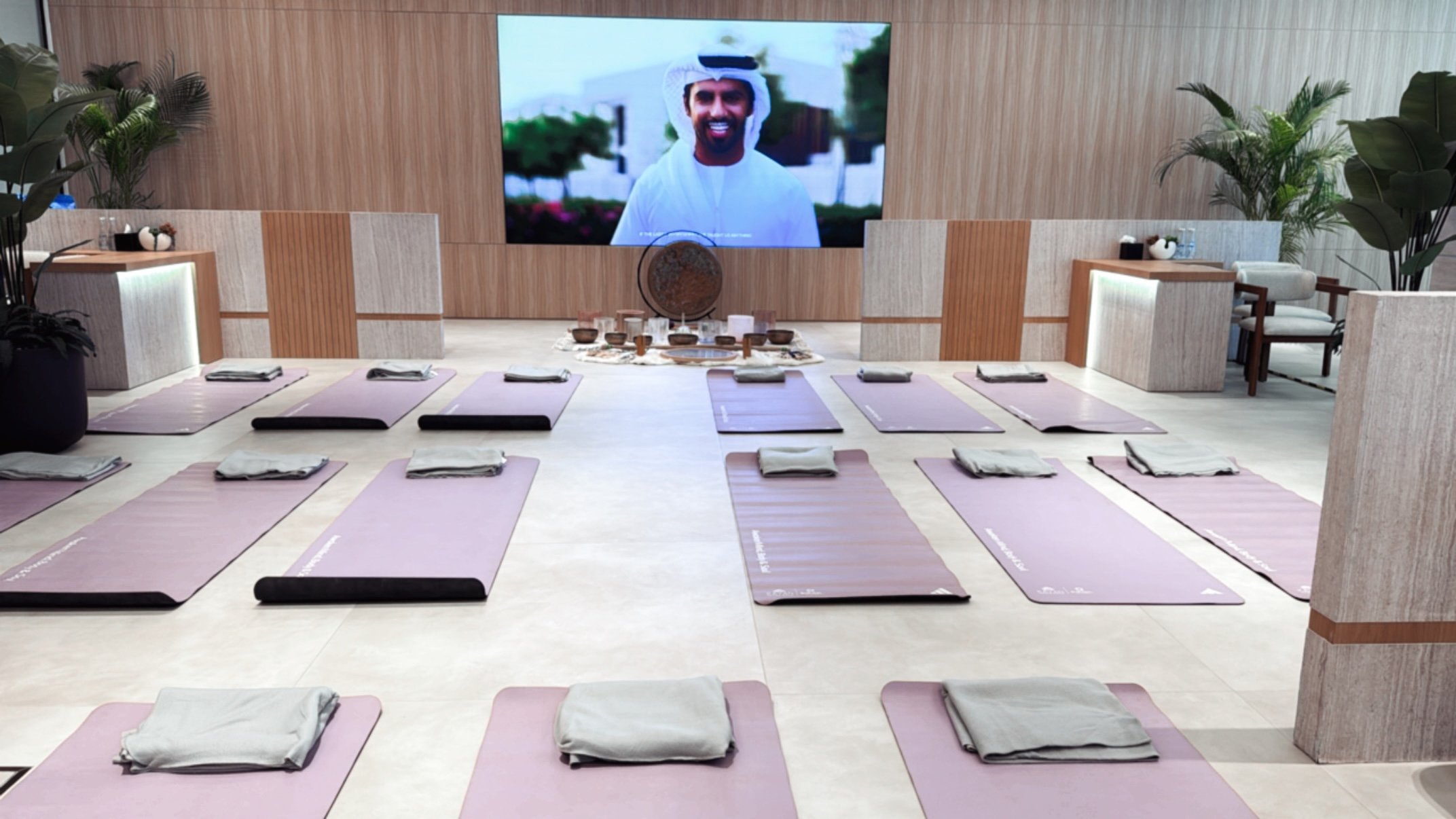
After five weeks of packing up a life, my last mornings in the UAE called for something slower.
I have stayed at many five-star hotels in Dubai. Most are beautiful. Few are truly restful. Waldorf Astoria Dubai International Financial Centre was the exception, and the perfect farewell.
It sits in the heart of DIFC, one of the busiest districts in the city. Yet up there, the energy of Dubai fades to a distant hum. Which raises a question I find myself asking more and more.
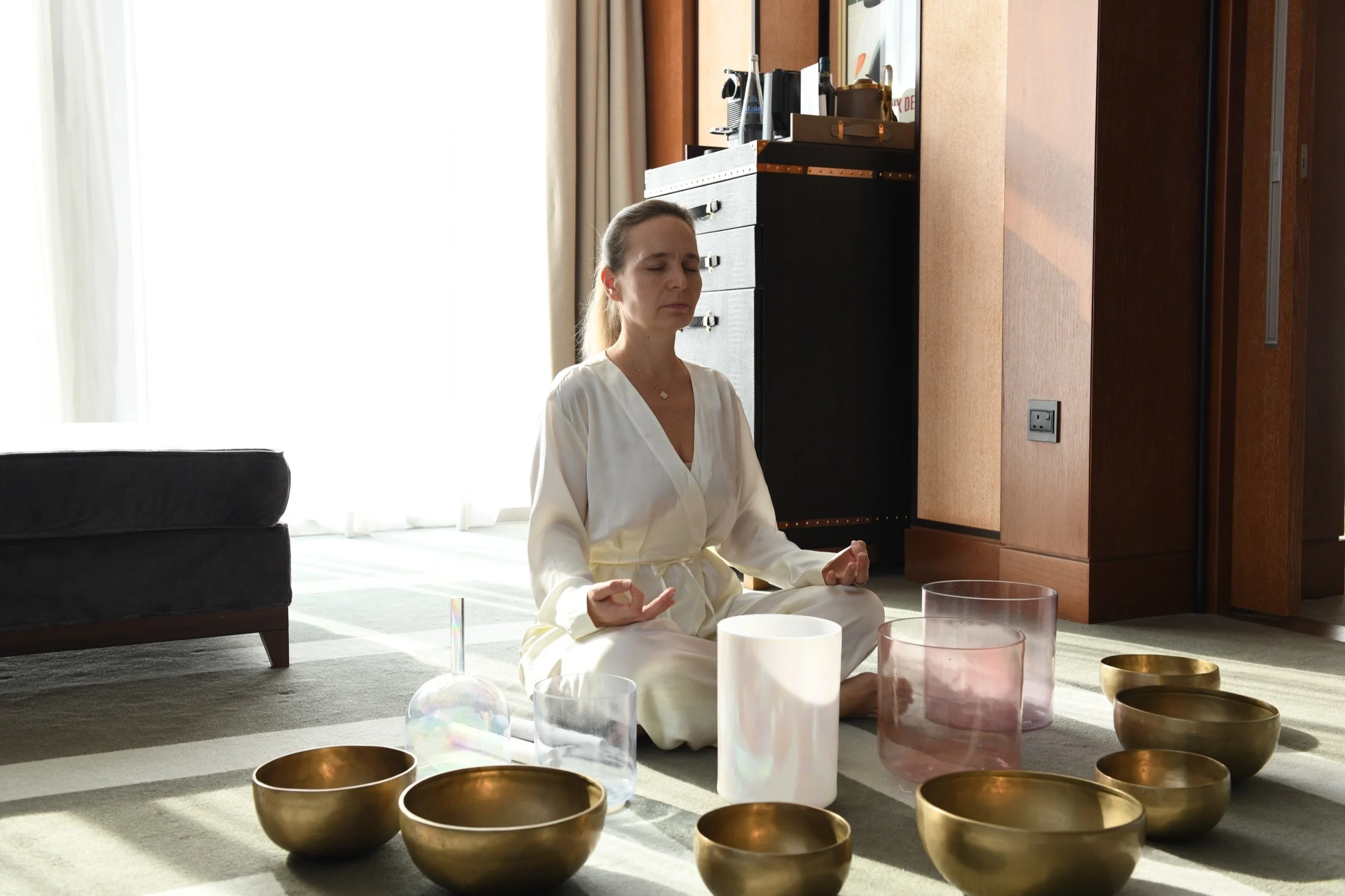
What Is a Wellness Destination, Really?
We tend to picture wellness destinations as remote: a mountain, a jungle, a spa at the end of a long drive. The Global Wellness Institute defines wellness tourism more simply, as travel associated with maintaining or enhancing your personal wellbeing.
By that definition, location matters less than how a place makes your body feel. A city hotel can be a wellness destination if it does three things well:
It lets your senses rest instead of competing for your attention
It protects your sleep
It removes small decisions, so your mind can switch off
How It Works: A Stay Designed for the Senses
After 18 years designing luxury experiences, I notice the details. Here is what stood out.
Scent: fresh flowers perfume the hallways. The first thing your body registers is softness.
Sight: a quiet nod to 1960s New York in the design, and the Burj Khalifa in my window. The whole city in view, but far enough away to feel calm.
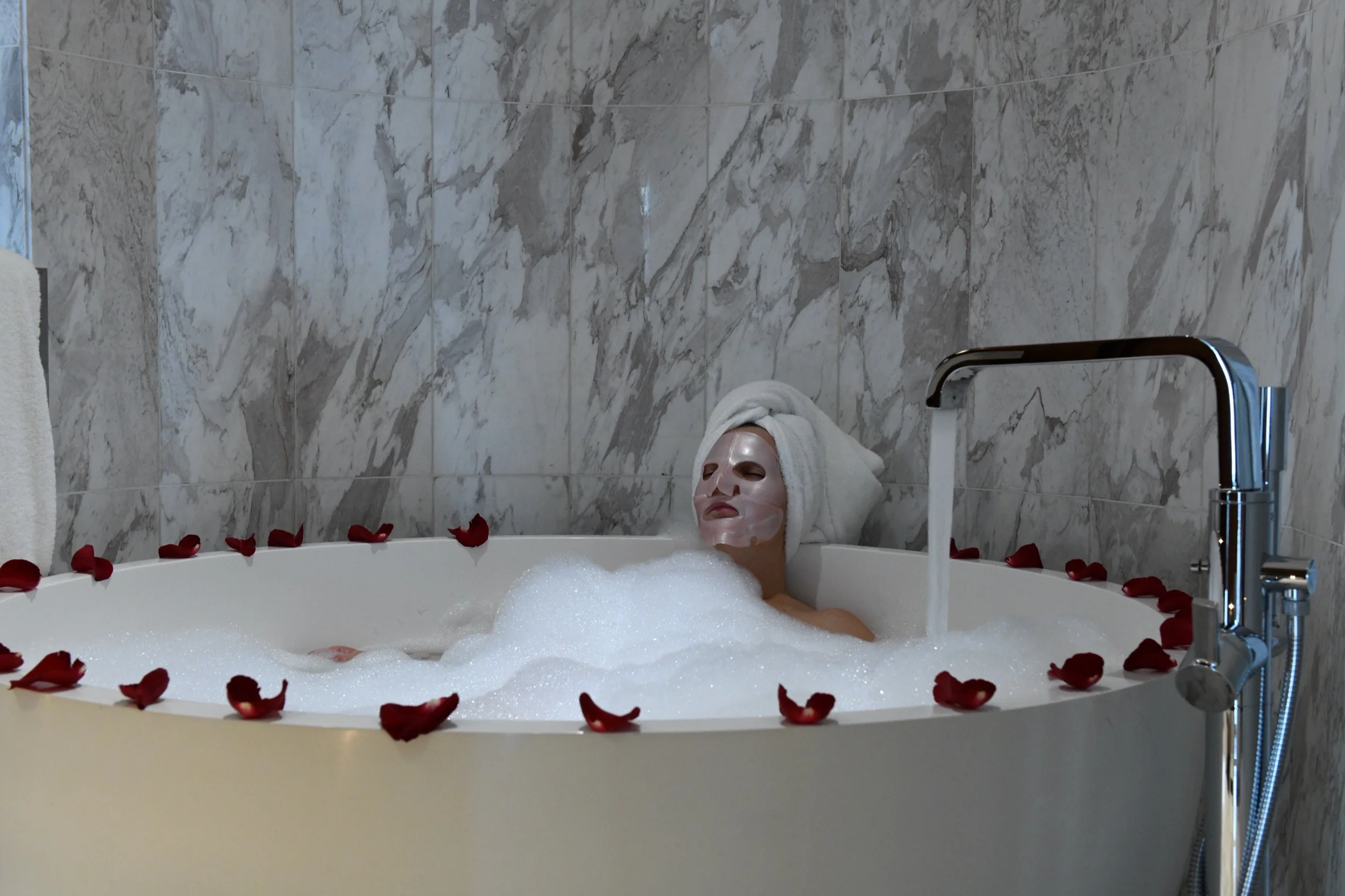
Touch: the suite unfolds like a private apartment, with a deep soaking tub made for long, unhurried evenings.
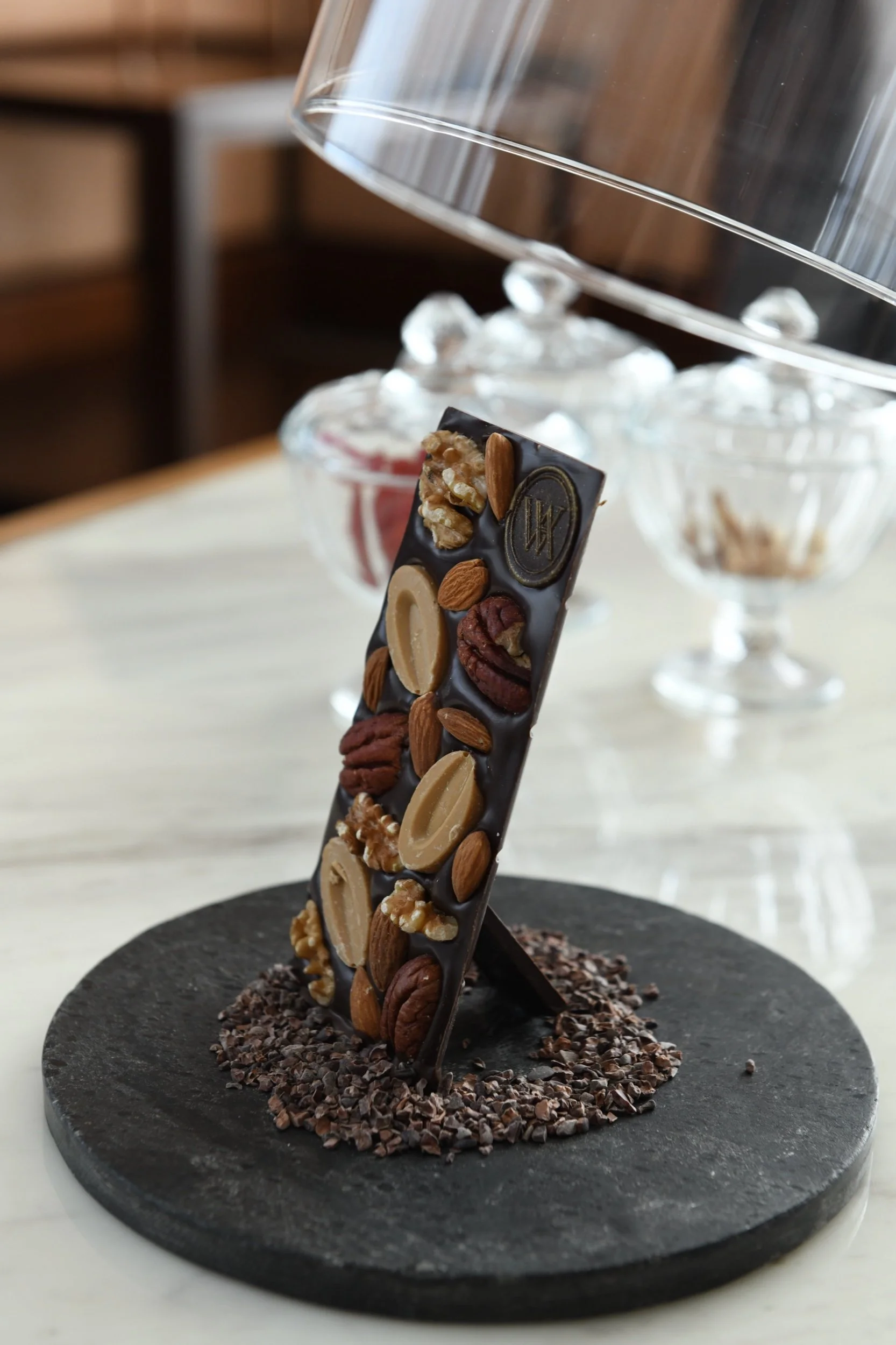
Taste: a welcome chocolate that looks like a small sculpture, almost too beautiful to eat. Almost.
Sound: nights are utterly still, even with the city building itself up all around.
That last point matters more than it sounds. The World Health Organization's Environmental Noise Guidelines identify night-time noise as a real factor in sleep disturbance. Silence in the middle of a city is not a small luxury. It is the foundation of rest.
Spaciousness and the Details That Help You Switch Off
For me, luxury is also spaciousness. Room to move, to breathe, to unpack slowly and stay a while. When a space feels generous, the body stops bracing.
True hospitality also anticipates before you ask. A few details made that tangible:
A pillow menu, so sleep is tailored to you rather than the other way around
Real care with allergens and dietary needs, handled quietly, without you having to explain twice
The spa, where Dorji delivered the finest massage I have had in Dubai
When you travel with allergies or dietary restrictions, every meal can become a small negotiation. Removing that friction is a form of wellbeing in itself.

How to Make Any Hotel Stay More Restorative
You don't need a remote retreat to feel rested. Wherever you stay:
Choose space over extras: a bigger room often does more for you than a longer list of amenities
Ask about the pillow menu and quiet rooms when you book
Share allergies and dietary needs in advance, so you never have to think about them at the table
Keep one slow ritual a day: a long bath, breakfast without your phone, an early night
If you're craving that kind of slowness on a longer scale, you might enjoy reading about slow living in Puglia, or what a year in the UAE taught me about letting go of control.
Waldorf Astoria DIFC was the perfect farewell to the UAE. Now I'm writing from Italy, where the next chapter begins.
Frequently Asked Questions
-
Yes. Wellness tourism is about maintaining or enhancing your wellbeing, not about being remote. A city hotel qualifies when it protects your sleep, calms your senses and removes everyday friction.
-
It's in the Dubai International Financial Centre, in the Burj Daman building, about 2 km from the Burj Khalifa and The Dubai Mall.
-
In my experience, yes. The kitchen handled my allergies and dietary needs with real care. It's always best to share them when you book.
-
A selection of pillows of different firmness and fillings that you can choose from, so your sleep is tailored to you.
-
Prioritise space and quiet, request a quiet room, share dietary needs in advance and keep one slow ritual a day, such as a long bath or breakfast without your phone.