For years, corporate wellness in Europe meant a gym discount and a fruit bowl in the kitchen. That is changing. Across Italy and the rest of Europe, stress at work has moved from a private problem to a leadership question.
After years of designing wellness experiences for companies in the United States and the Middle East, I am now based in Italy again. And the conversations I am having here are different: less about perks, more about prevention.
What Is Work-Related Stress, and Why Does It Matter Now?
The numbers are hard to ignore. According to the European Agency for Safety and Health at Work, 29% of EU workers report stress, depression or anxiety caused or made worse by their work. In October 2026 the agency launched its Healthy Workplaces Campaign 2026-28, "Together for mental health at work", noting that nearly half of EU workers face risks to their mental health at work.
These risks rarely come from one dramatic event. They usually come from:
Workload and time pressure that never really ease
Unclear roles and conflicting demands
Little control over how work is organized
Poor communication and a lack of recognition
How It Works in Italy: Stress Is Part of Workplace Safety
In Italy, work-related stress is not optional. Under Legislative Decree 81/2008, the national law on health and safety at work, employers must include work-related stress (stress lavoro-correlato) in their workplace risk assessment. INAIL, the national institute for insurance against workplace injuries, provides a methodology that companies use to assess it and plan corrective actions.
In practice, this means many Italian companies already measure stress. The next step, and the more interesting one, is what they do with the results.
What Makes a Corporate Wellness Program Actually Work?
The WHO Guidelines on mental health at work make a clear point: the most effective approach combines changes to how work is organized with support for individuals. One without the other rarely lasts.
A thoughtful program usually includes:
Prevention at the source: realistic workloads, clear roles and managers trained to notice strain
Skills for individuals: tools to manage stress, regulate the nervous system and recover between demanding periods
Shared experiences: moments that bring teams together around rest, not just performance
Consistency: a series rather than a single event, so new habits have time to form
Listening: checking in with people and adjusting, instead of rolling out one program for everyone
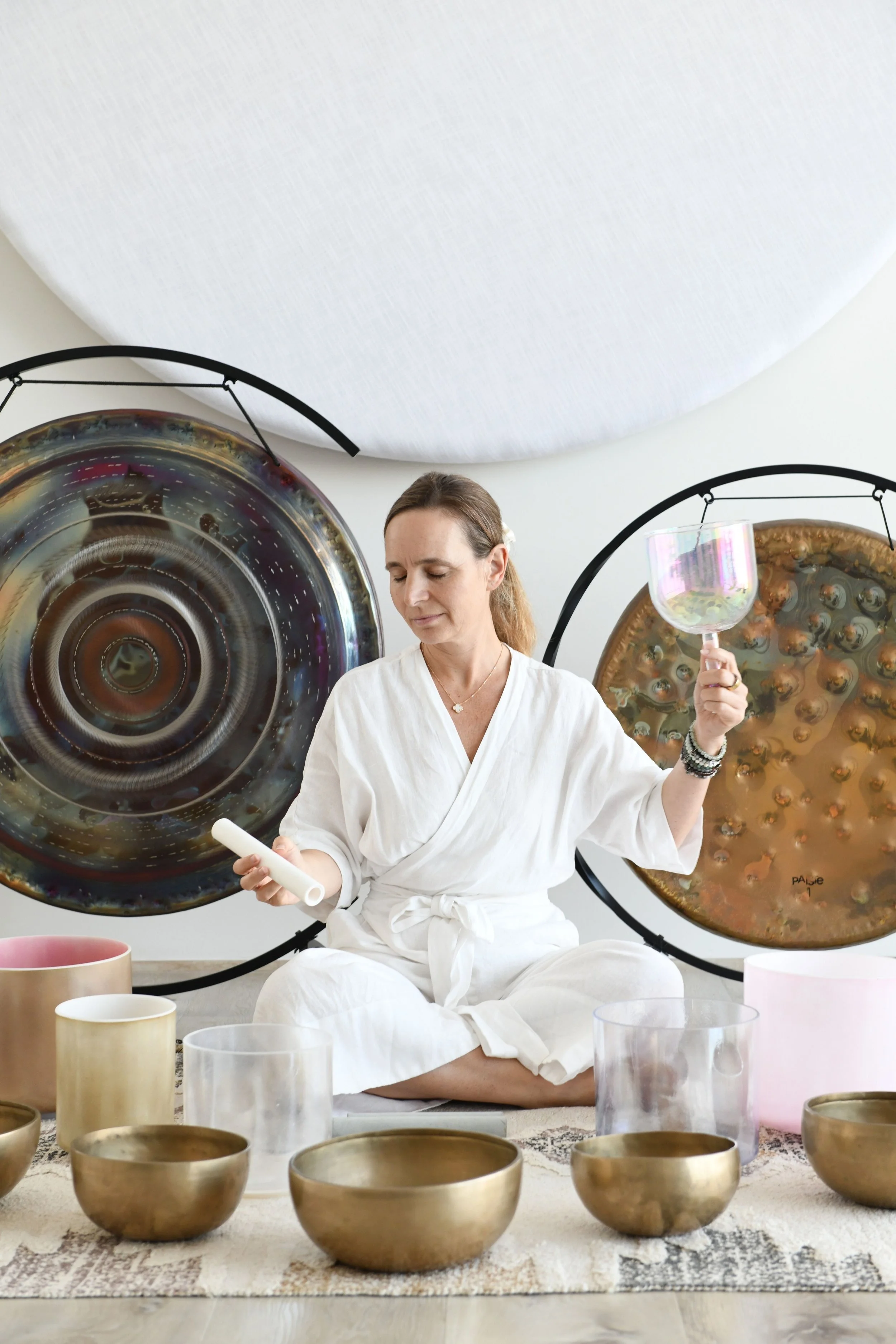
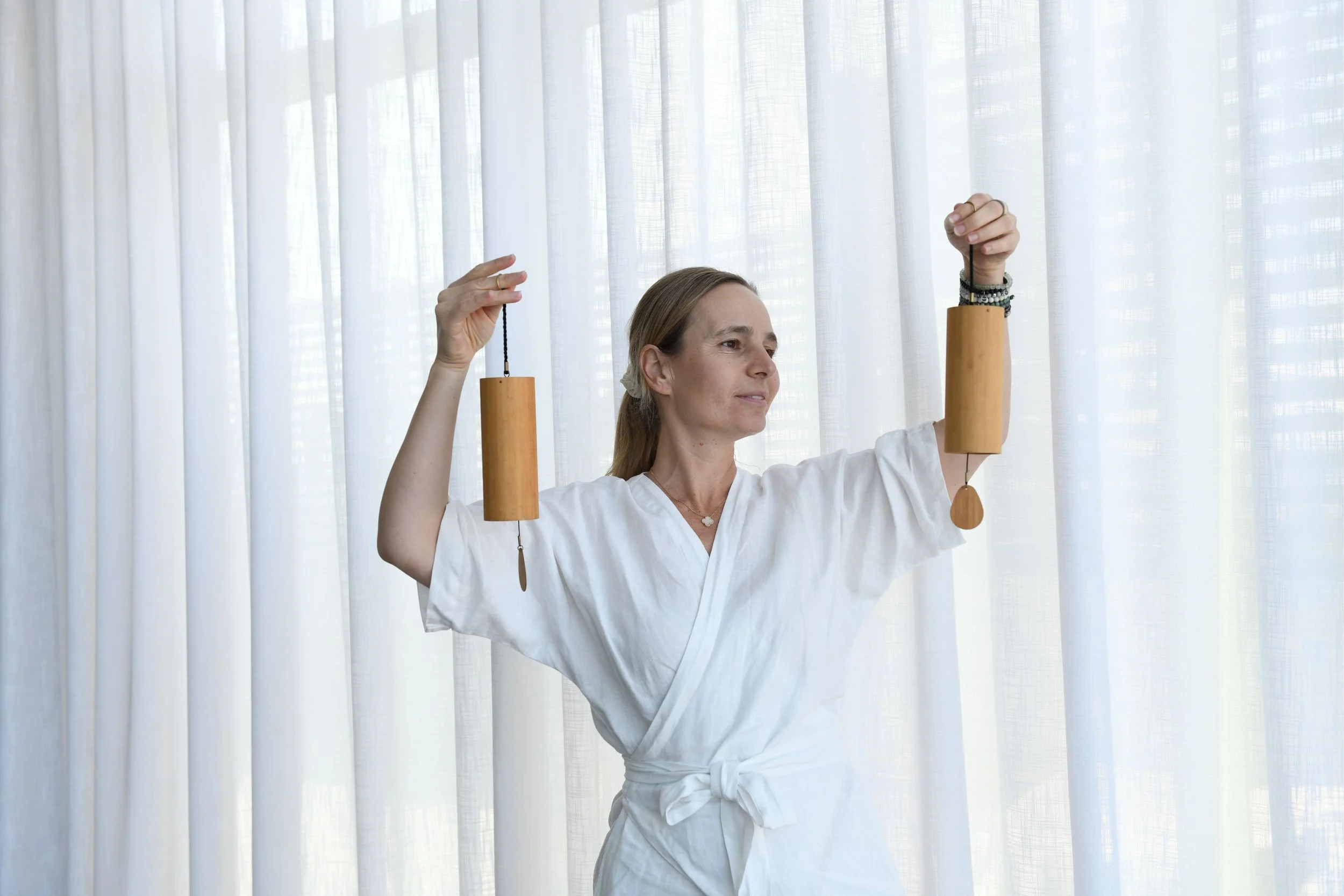
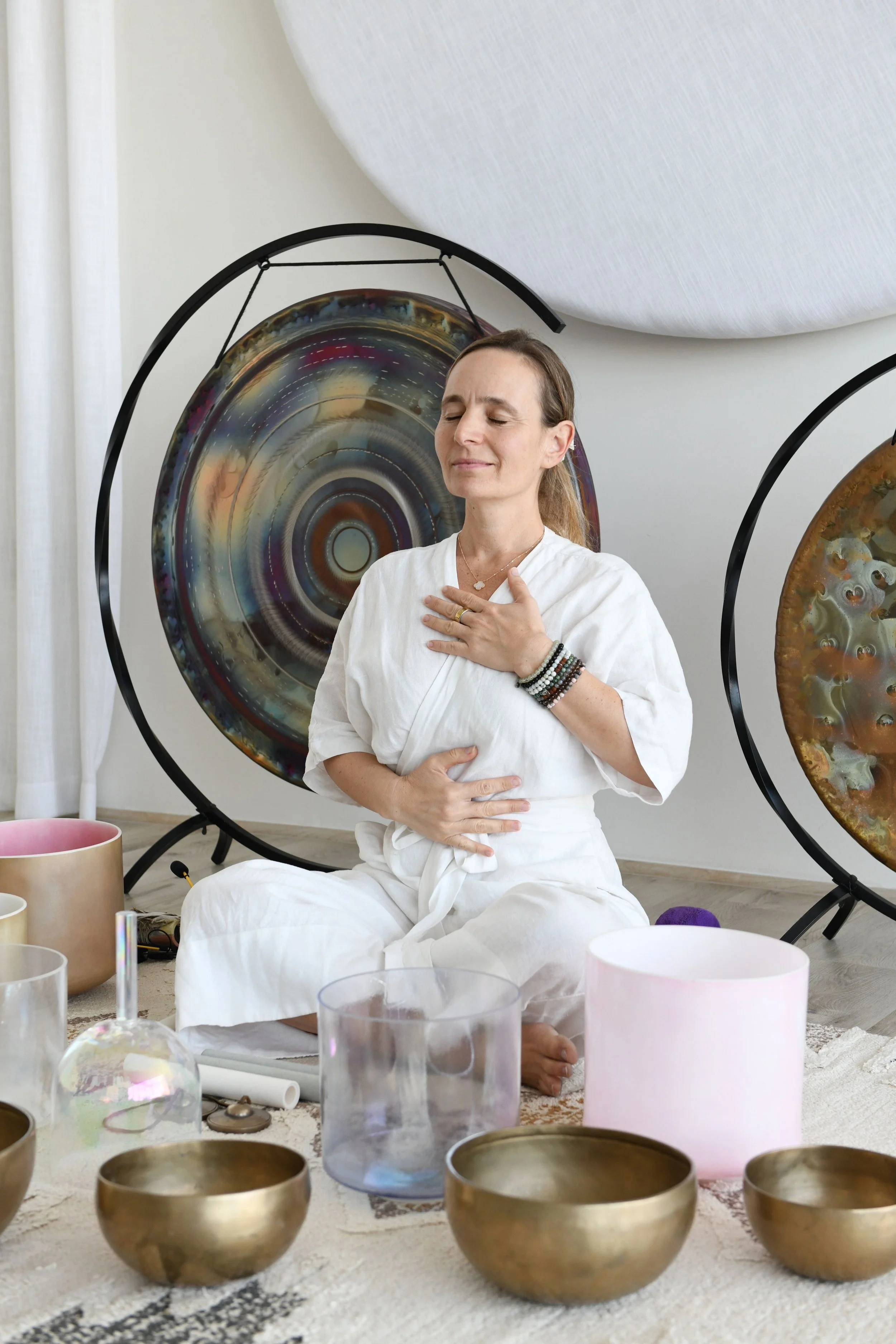
Experiential formats like guided relaxation, breathwork or sound-based sessions can be part of the individual layer. They work best when they sit inside a wider culture of prevention, not as a substitute for it.
I explain how a team session is structured in Corporate Sound Bath: How It Works and What Teams Gain.
How to Start: Questions for HR and Leadership Teams
If you are planning wellness for an Italian or European team, start with a few honest questions:
What did your latest stress risk assessment actually show?
Where does pressure peak during the year?
Do your managers feel equipped to talk about wellbeing?
What would your people genuinely use, and when?
How will you know if it is working?
The Italian Advantage
Italy has something many cultures are trying to learn: an instinct for the long lunch, the evening walk, the pause that is not a waste of time. The opportunity for Italian companies is to bring that instinct inside the workday, with structure and intention. That is where corporate wellness stops being a perk and becomes part of how a company works.
Frequently Asked Questions
-
Yes. Under Legislative Decree 81/2008, employers in Italy must include work-related stress in their workplace risk assessment. INAIL provides a methodology to carry it out.
-
According to EU-OSHA, 29% of EU workers report stress, depression or anxiety caused or made worse by their work.
-
The most effective programmes combine changes to how work is organised with tools and support for individuals, delivered consistently over time.
-
They can be a meaningful part of a wider programme, offering shared moments of rest and relaxation, but they work best alongside prevention at an organisational level.
-
Start with your stress risk assessment results, identify when pressure peaks, involve managers and ask employees what they would genuinely use.