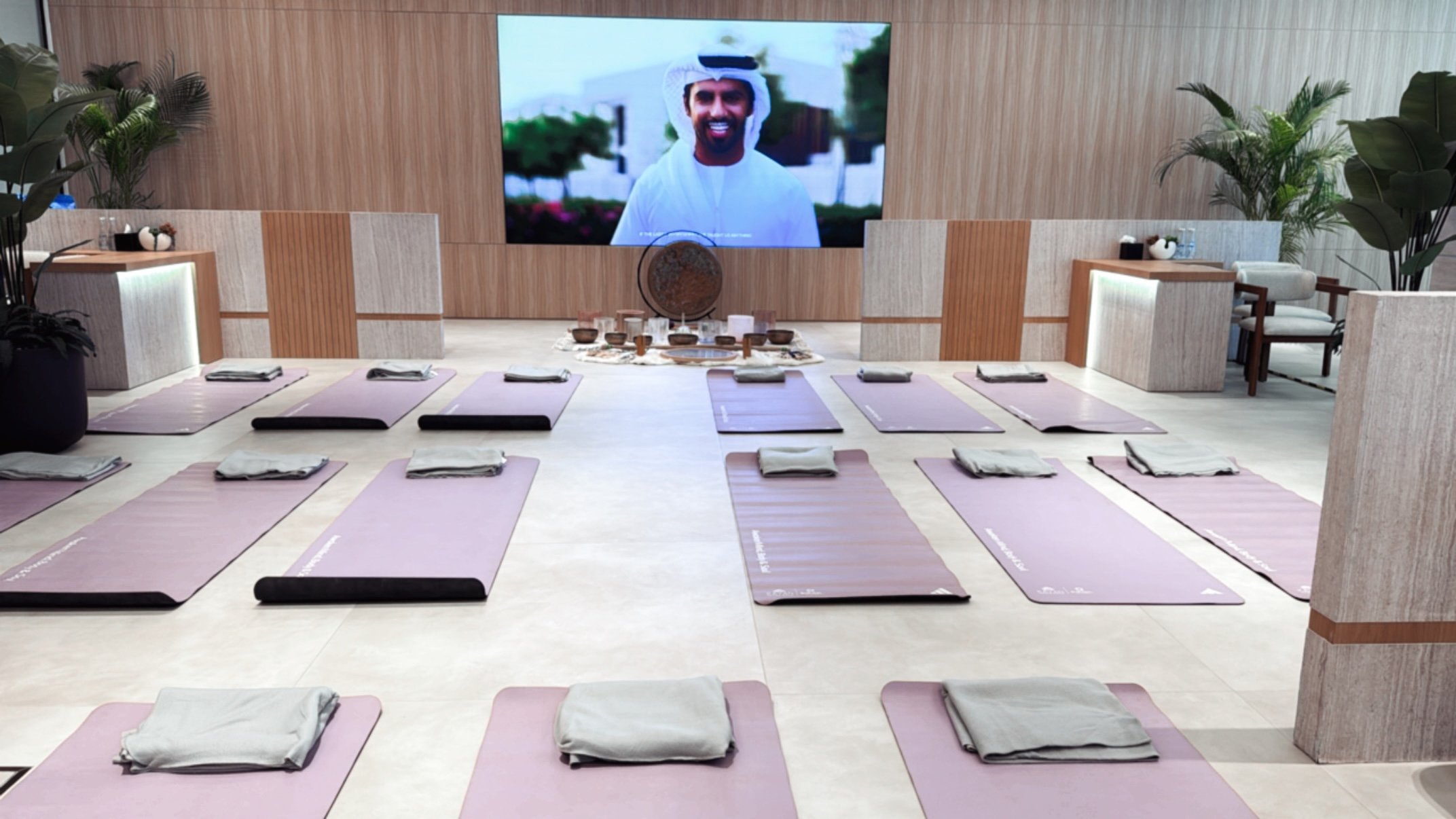
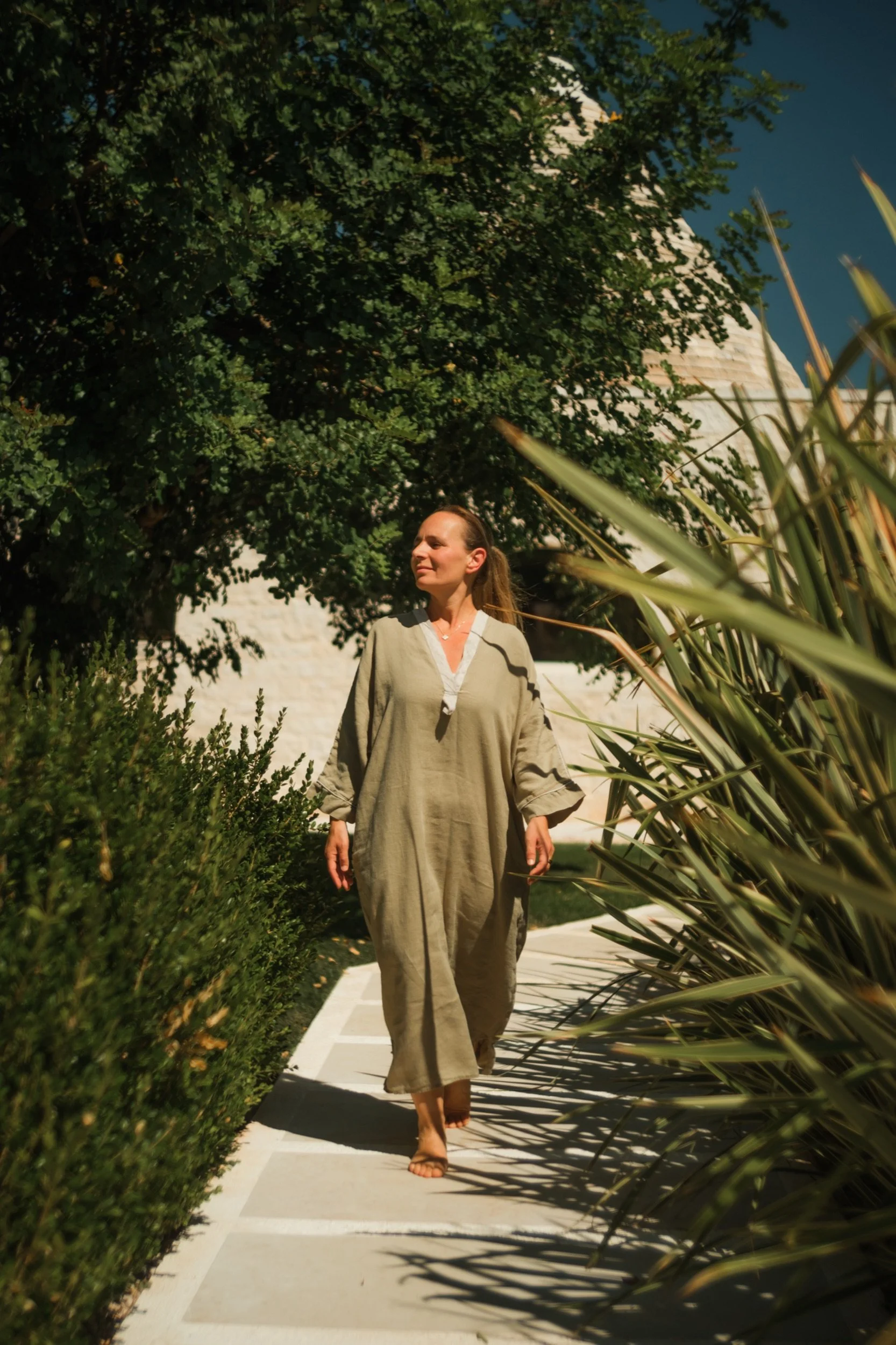
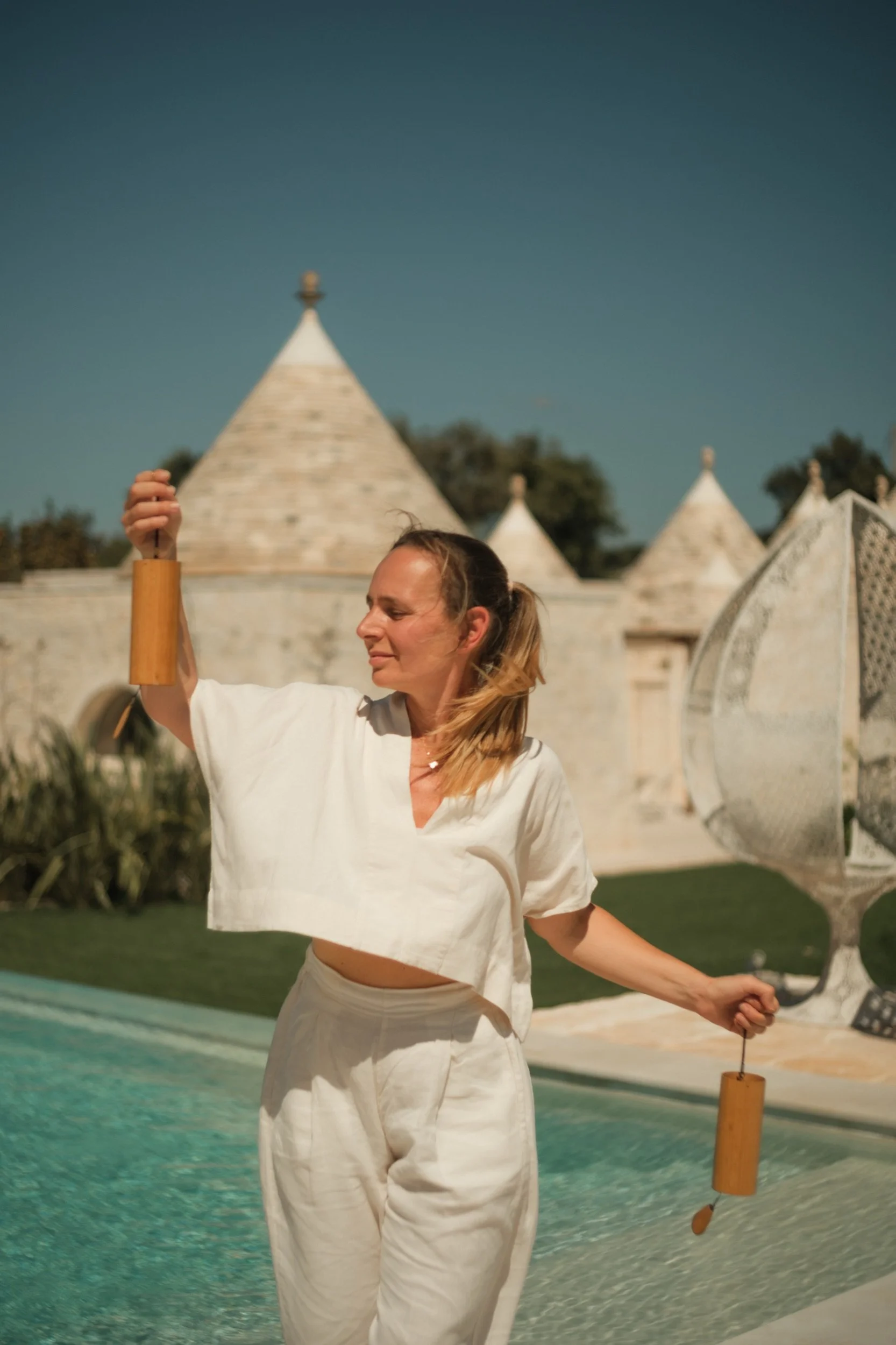
Some places ask you to do more. Others quietly ask you to do less. In the Valle d'Itria, between Cisternino, Locorotondo and Alberobello, the landscape seems to belong to the second kind: olive groves, dry-stone walls and the conical roofs of the trulli, rising out of the countryside like they have always been there.
I recently spent time at Trullo delle Dame, one of the Mandarin Oriental Exceptional Homes, a restored trullo residence on the outskirts of Cisternino. I was there to create, not to switch off. And still, the place did something to my pace that I want to unpack here, because it says a lot about what we actually need when we talk about rest.
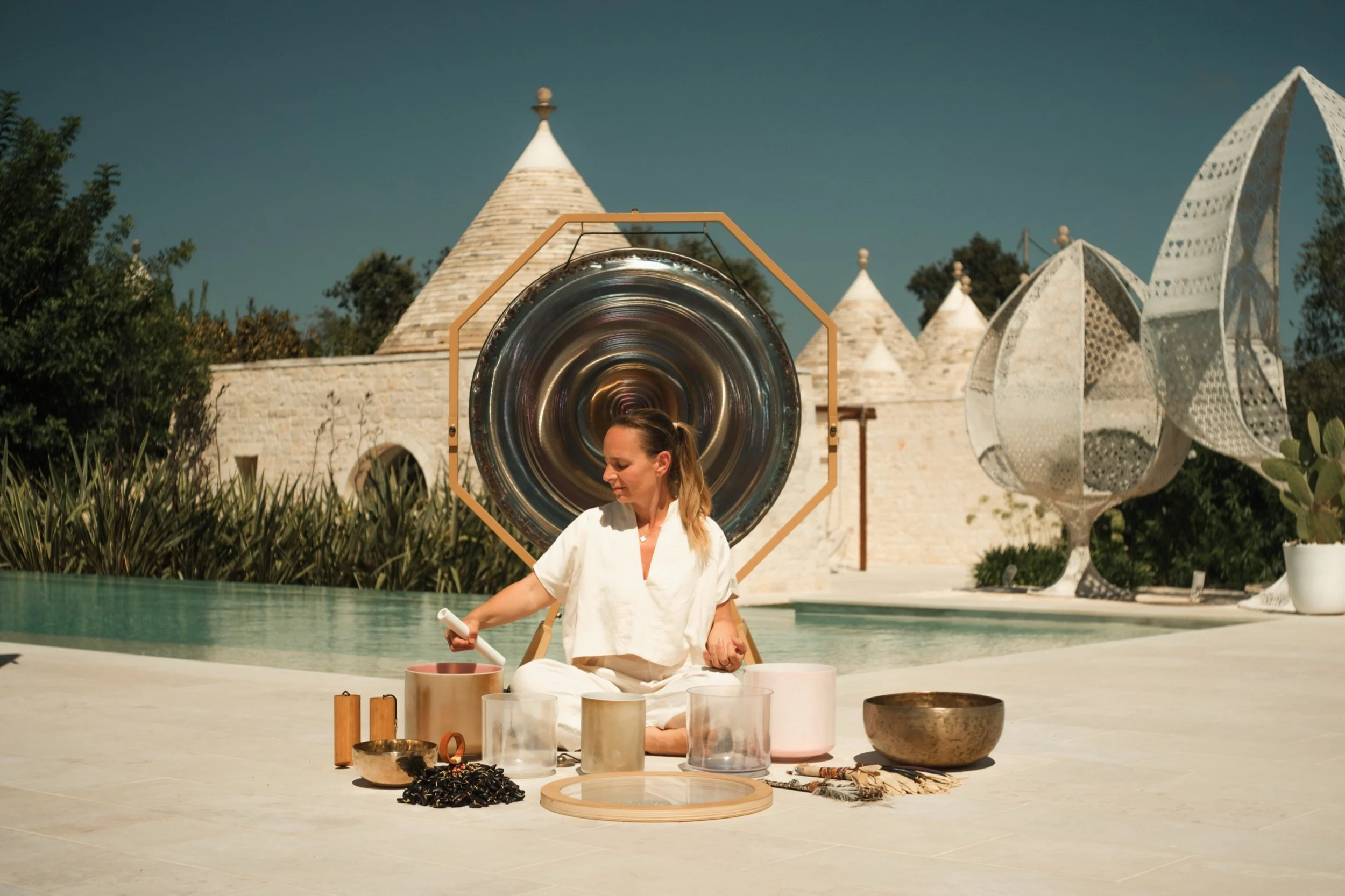
What Is a Trullo?
A trullo is a traditional dry-stone dwelling from Puglia, built without mortar, with a whitewashed base and a cone-shaped roof of stacked limestone. UNESCO describes the trulli as remarkable examples of a prehistoric building technique still in use in the region, and listed the Trulli of Alberobello as a World Heritage Site in 1996.
What strikes you is not luxury in the usual sense. It is:
Thickness: walls that keep the inside cool and quiet
Proportion: rounded rooms that feel held rather than exposed
Material: stone, lime and wood, nothing that shouts
Light: small openings that soften the day instead of flooding it
When a building is this simple, your senses have less to manage. That is where rest begins.
How It Works: Why Some Places Help Us Slow Down
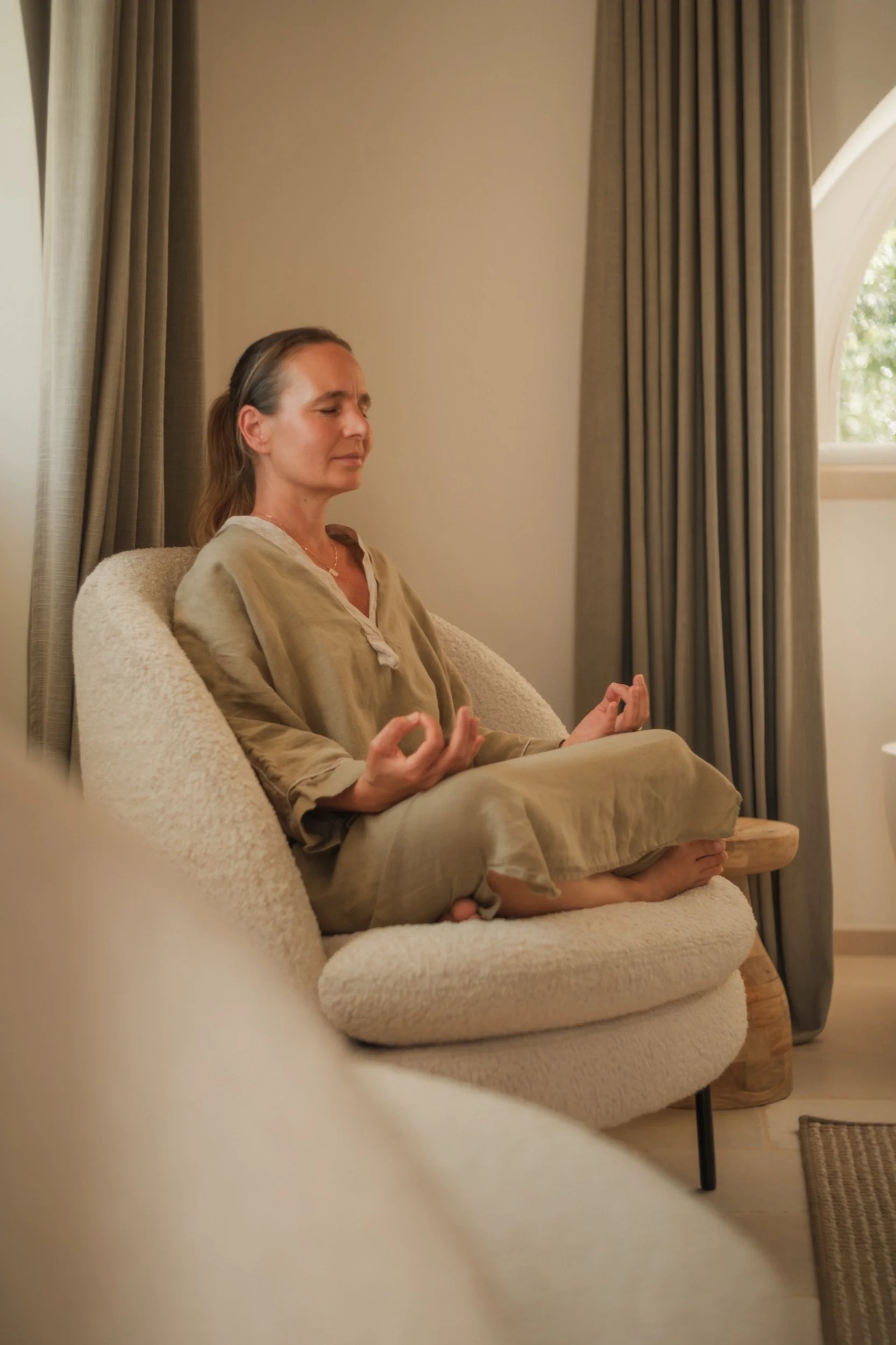
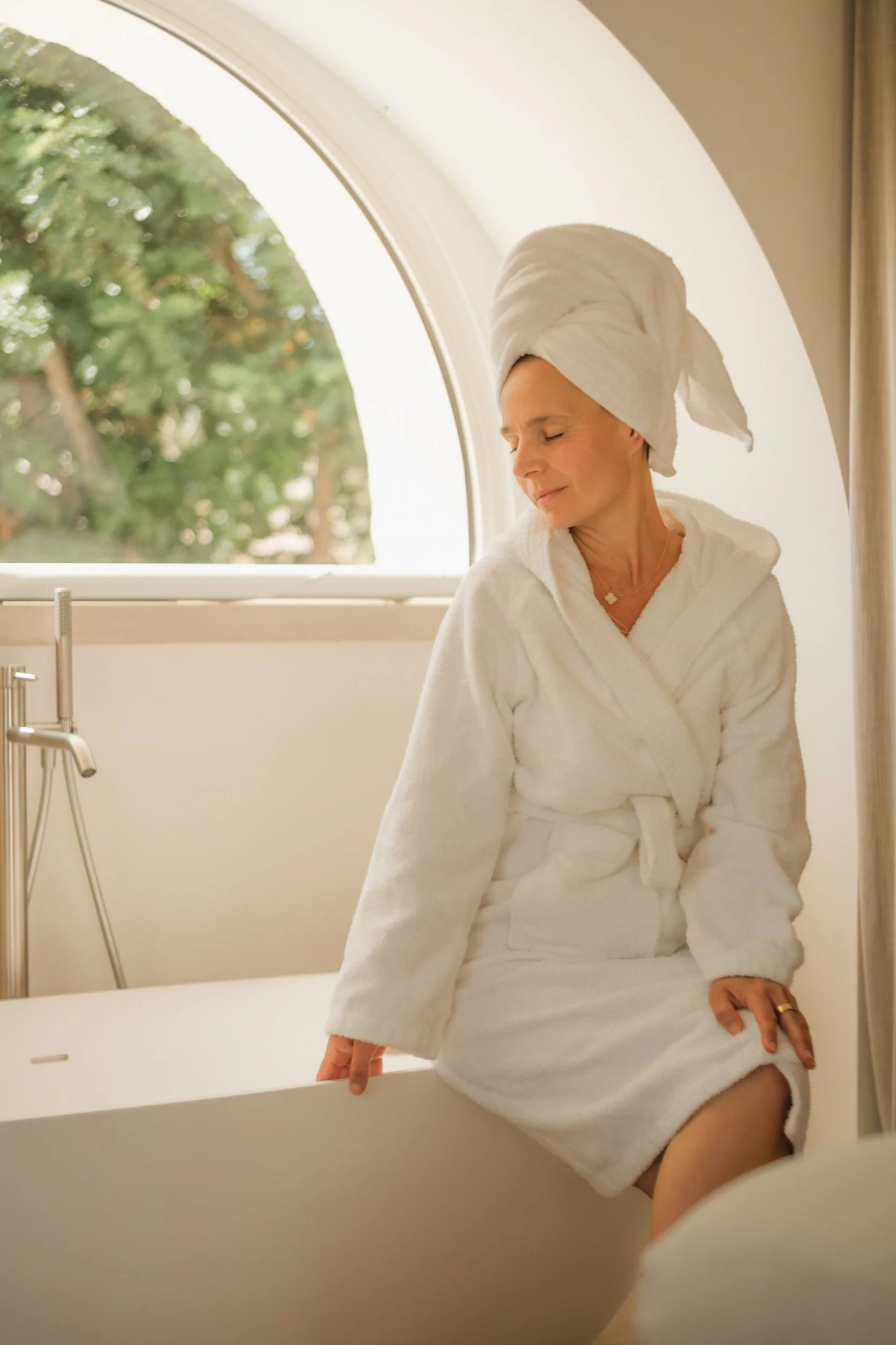
Environmental psychologists have studied this for decades. Attention Restoration Theory suggests that natural settings gently hold our attention, giving the effortful, focused kind of attention we use all day a chance to recover. A systematic review from the University of Exeter found some support for this effect, while noting that the evidence is still developing and not every aspect of attention responds the same way.
In simple terms, a restorative place tends to offer:
Being away: a real break from your usual demands and routines
Soft fascination: things that are interesting without being demanding, like trees moving or light shifting on stone
Extent: a sense of space and coherence, a world you can settle into
Compatibility: an environment that fits what you need right now
The Valle d'Itria offers all four almost by default. Nothing is loud, nothing is rushed, and the horizon is made of olive trees.
Why Stillness Feels Hard for High Achievers
Here is the honest part. If you have lived in high gear for years, arriving somewhere this calm does not always feel calm at first. It can feel like restlessness, like guilt, like you should be doing something.
That is normal. A nervous system used to pace often needs time to trust slowness. I wrote more about this in Founder Burnout: Why Recovery Is Half of Performance. Places like the trulli do not force rest on you. They simply remove the noise, so you can notice what is left.
How to Bring the Trullo Mindset Home
You do not need to be in Puglia to borrow its lessons. Start small:
Reduce visual noise in one room: fewer objects, softer light
Choose natural materials where you rest: wood, linen, stone, plants
Protect one quiet hour a day with no screens and no input
Spend time outdoors without a goal, letting your attention wander
Slow your evenings: dim the lights and lower the volume of the day
If you want more on the region itself, read Slow Living in Puglia: A Nervous System Reset.
A Place to Return To
I left the Valle d'Itria with the feeling that some places are made for gathering, not only for staying. Spaces like this invite small groups, long tables and slow mornings. I have a feeling I will be back, and maybe not alone.
Frequently Asked Questions
-
A trullo is a traditional dry-stone house from Puglia, in southern Italy, built without mortar and topped with a conical limestone roof. The Trulli of Alberobello are a UNESCO World Heritage Site.
-
Trullo delle Dame is on the outskirts of Cisternino, in the Valle d'Itria in Puglia, and is part of the Mandarin Oriental Exceptional Homes collection.
-
Research on Attention Restoration Theory points to four qualities: being away from daily demands, soft fascination, a sense of space, and an environment that fits your needs. Natural settings often offer all four.
-
If you have been living at a fast pace for a long time, slowing down can at first feel like restlessness or guilt. It often takes time for the body to settle into a slower rhythm.
-
Reduce visual clutter, choose natural materials, soften the lighting and protect a daily quiet hour without screens.