Post-Holiday Stress: How to Make Summer Recovery Last

In Italy it has a name: stress da rientro, the stress of the return. After weeks of sea or mountains, the inbox reopens, the calendar fills and the rested feeling of August is gone before the month is out.
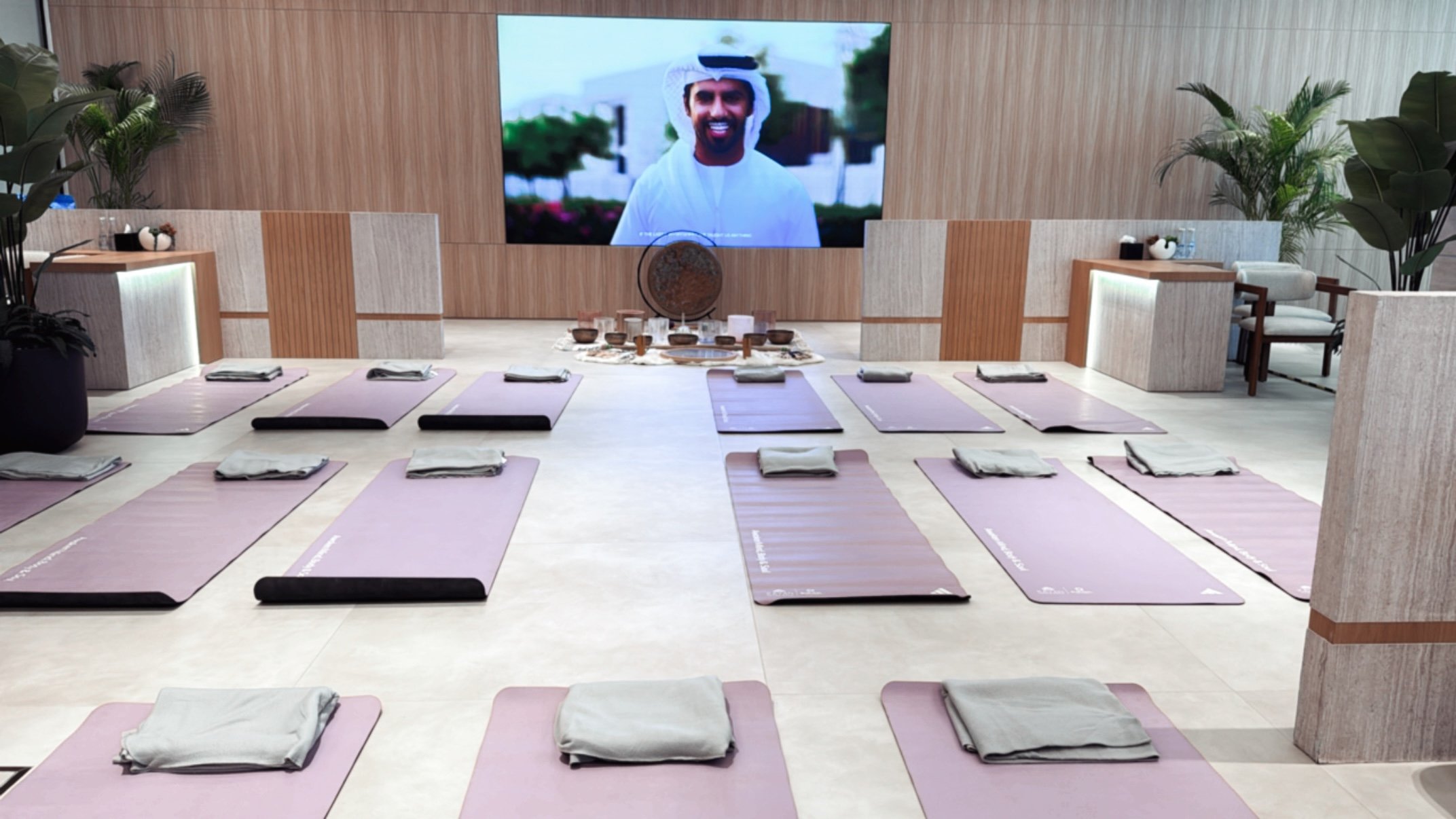
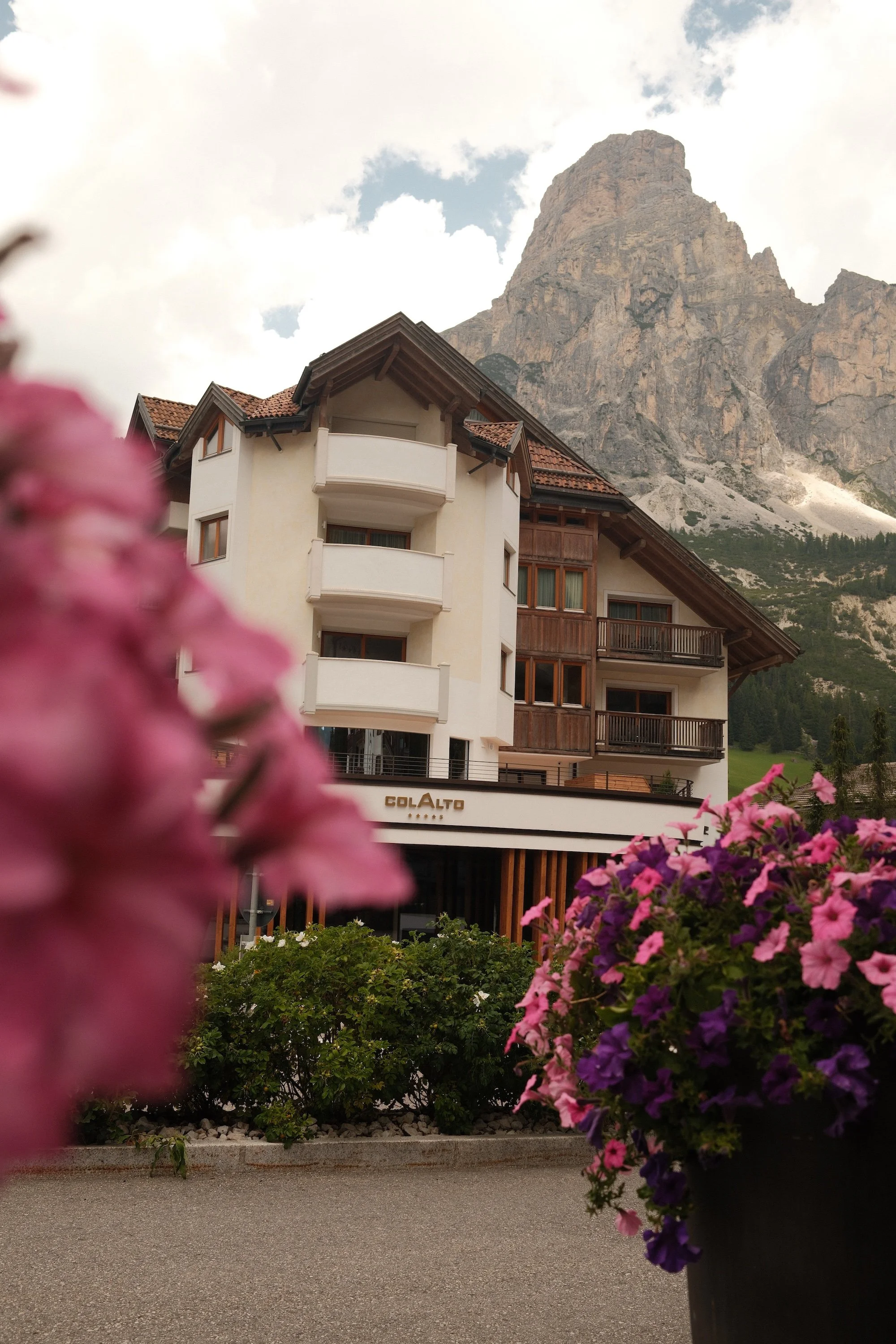
Letizia Silvestri, Board-Certified Clinical Hypnotherapist, sound healer and founder of Altha, spent the summer of 2026 based in Alta Badia in the Dolomites, leading Hypno-Sound Bath sessions across Europe, from Mindvalley U in Tallinn to Hotel Col Alto in Corvara and Hotel Ancora in Cortina d’Ampezzo. Her work rests on one principle: recovery is part of performance, and it has to be planned. September is when that principle is tested.
What Is Post-Holiday Stress?
Post-holiday stress is the drop in mood, energy and focus that follows the return to work. It is not a medical diagnosis. It describes what happens when the nervous system goes from weeks of low demand to full alert in a single day. Common signs are irritability, restless sleep in the first nights back, difficulty concentrating and low motivation.
The benefits of a holiday are real and short-lived. A meta-analysis of holiday research found that health and wellbeing improve during time off and fade soon after work resumes. A later analysis found the gains were no longer measurable after the first week back.
Why Summer Recovery Fades So Fast
On holiday, three things happen without effort. People sleep longer, spend more time outdoors and stop thinking about work. Researchers call the third one psychological detachment, and it is closely linked to recovery from job stress.
The calm of summer comes from those three conditions, and all of them stop on the first Monday back. Sleep shortens, the day moves indoors and work follows people home on their phones. The backlog adds to the load, because the first days are spent catching up on everything that built up while away. Keeping the benefits of a holiday means keeping a small version of each condition in an ordinary week.
How to Make Summer Recovery Last
Six habits for the first weeks of September:
Keep holiday sleep hours. Hold the same bedtime for the first two weeks, in a dark, cool room, with no screens for the last hour.
Leave gaps in the first week. Avoid a first day of back-to-back meetings and keep the first evenings free.
Get outside every day. Around two hours a week in nature is associated with better health and wellbeing.
End the working day properly. Set a fixed finishing time and switch off work notifications after it.
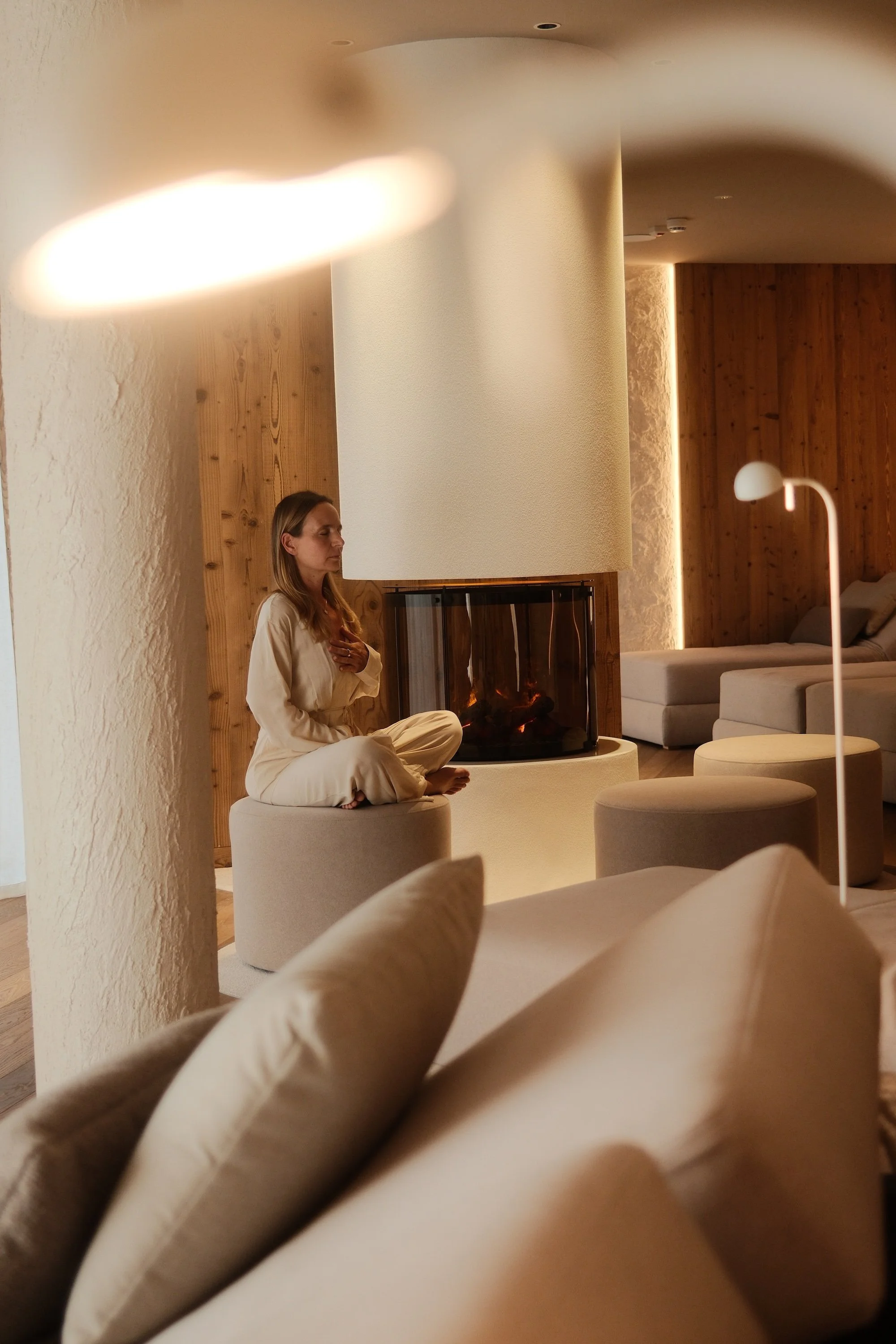
Practise self-hypnosis. Once learned, it takes five to six minutes a day.
Book the next break now. Regular short breaks through the year protect wellbeing better than one long holiday.
How Sound Healing and Hypnotherapy Help the Nervous System Recover
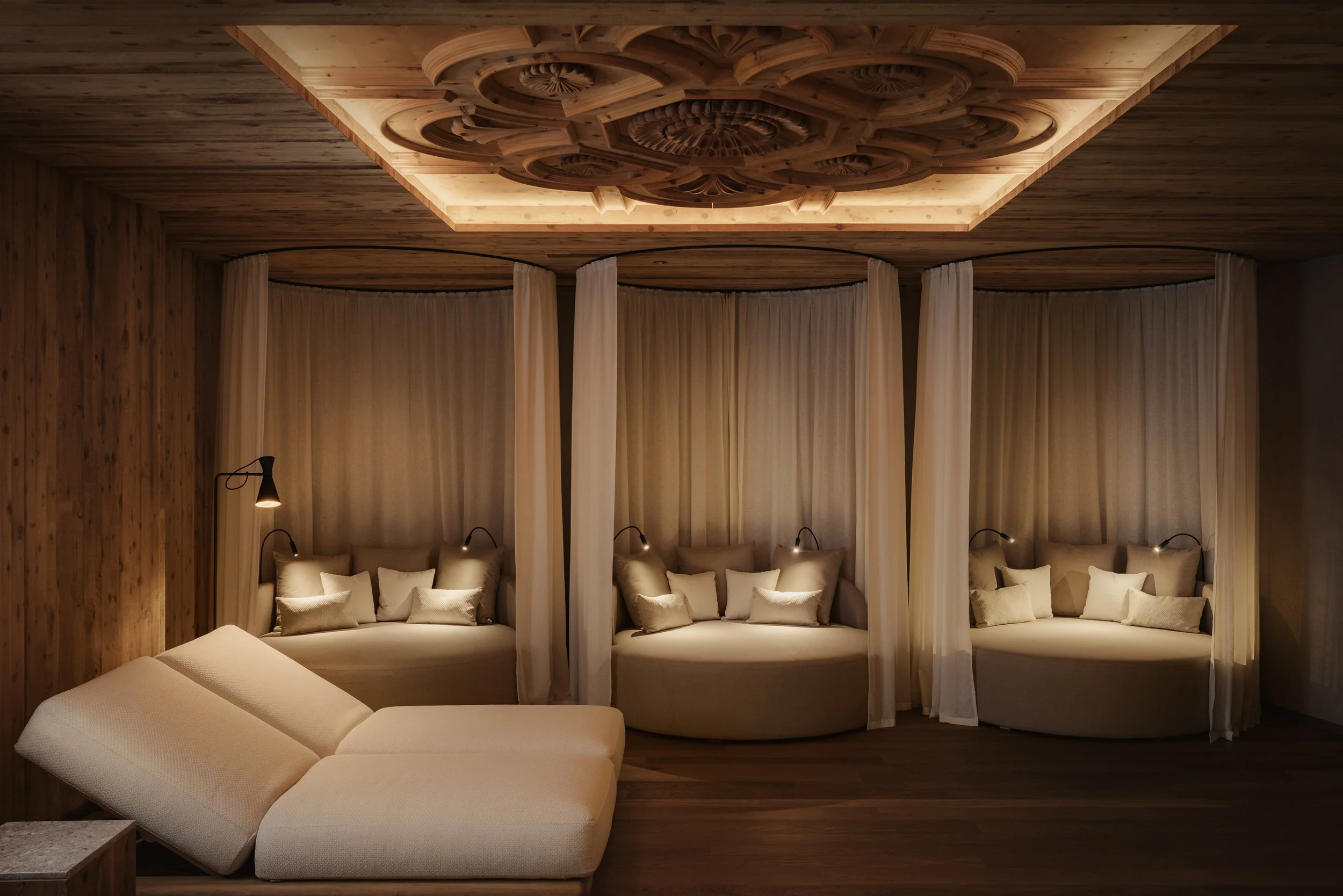
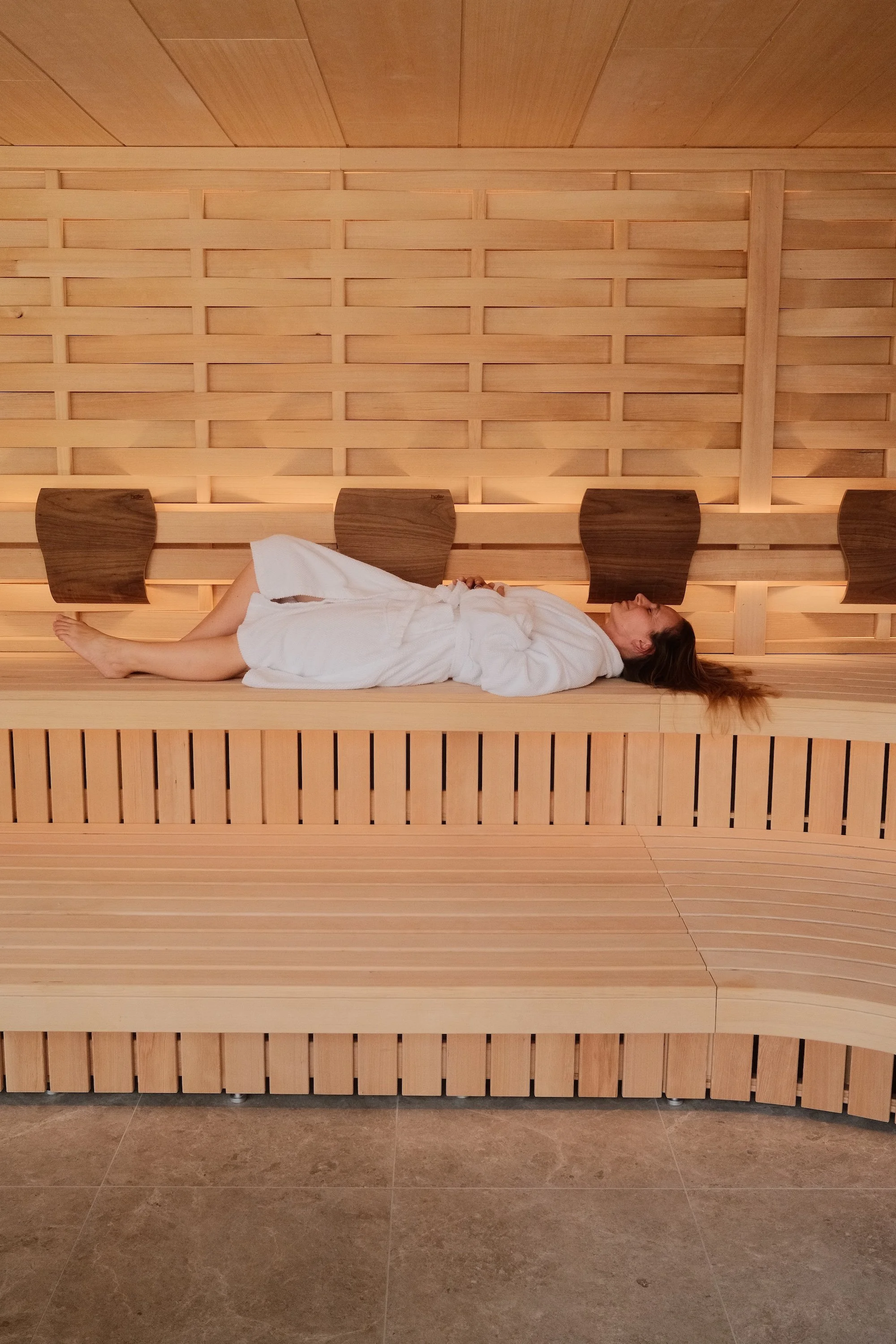
A sound bath gives the body a scheduled hour of deep rest inside a working week. People lie down, close their eyes and follow the sound. In one early study, participants reported less tension and fatigue after a single singing bowl session.
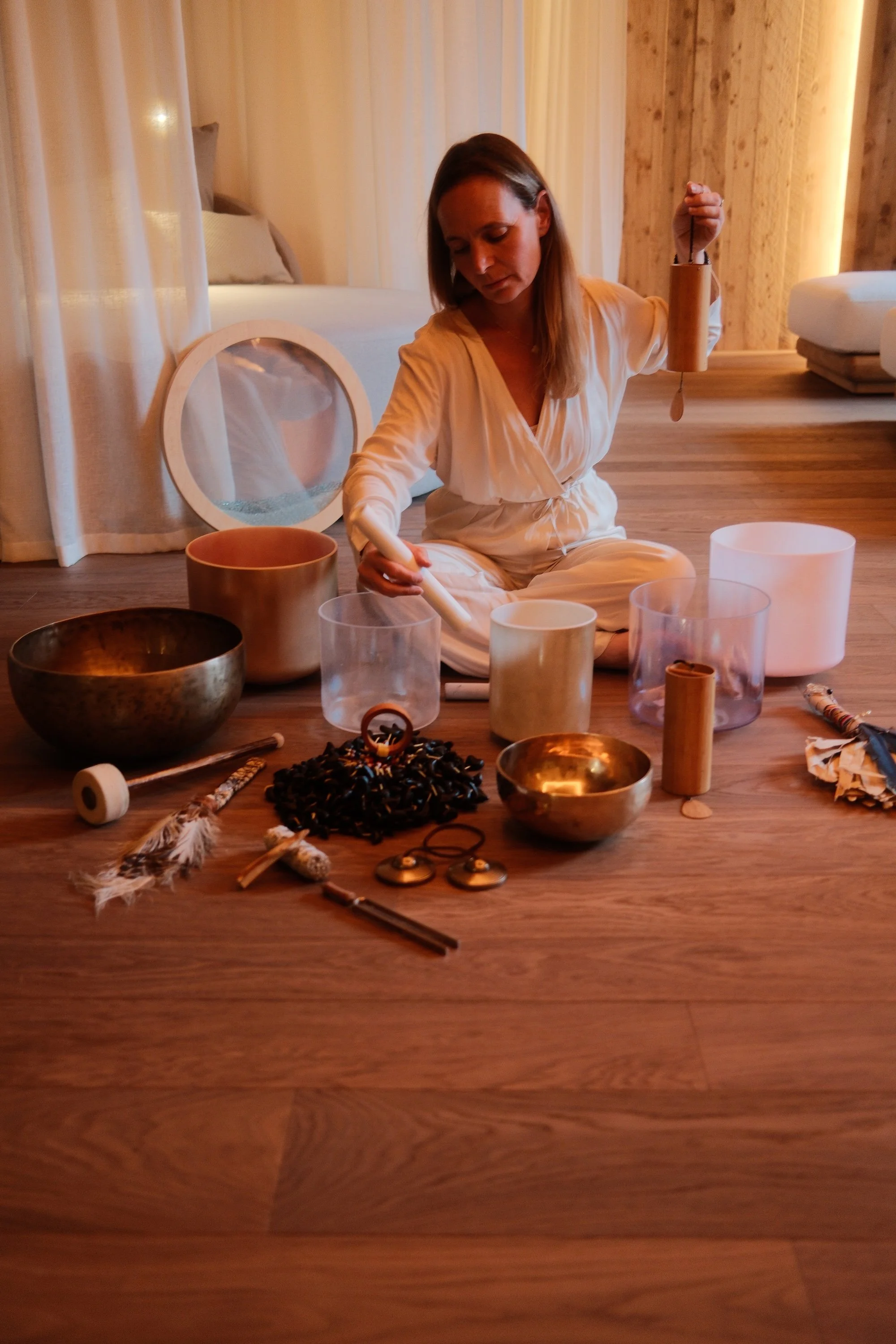
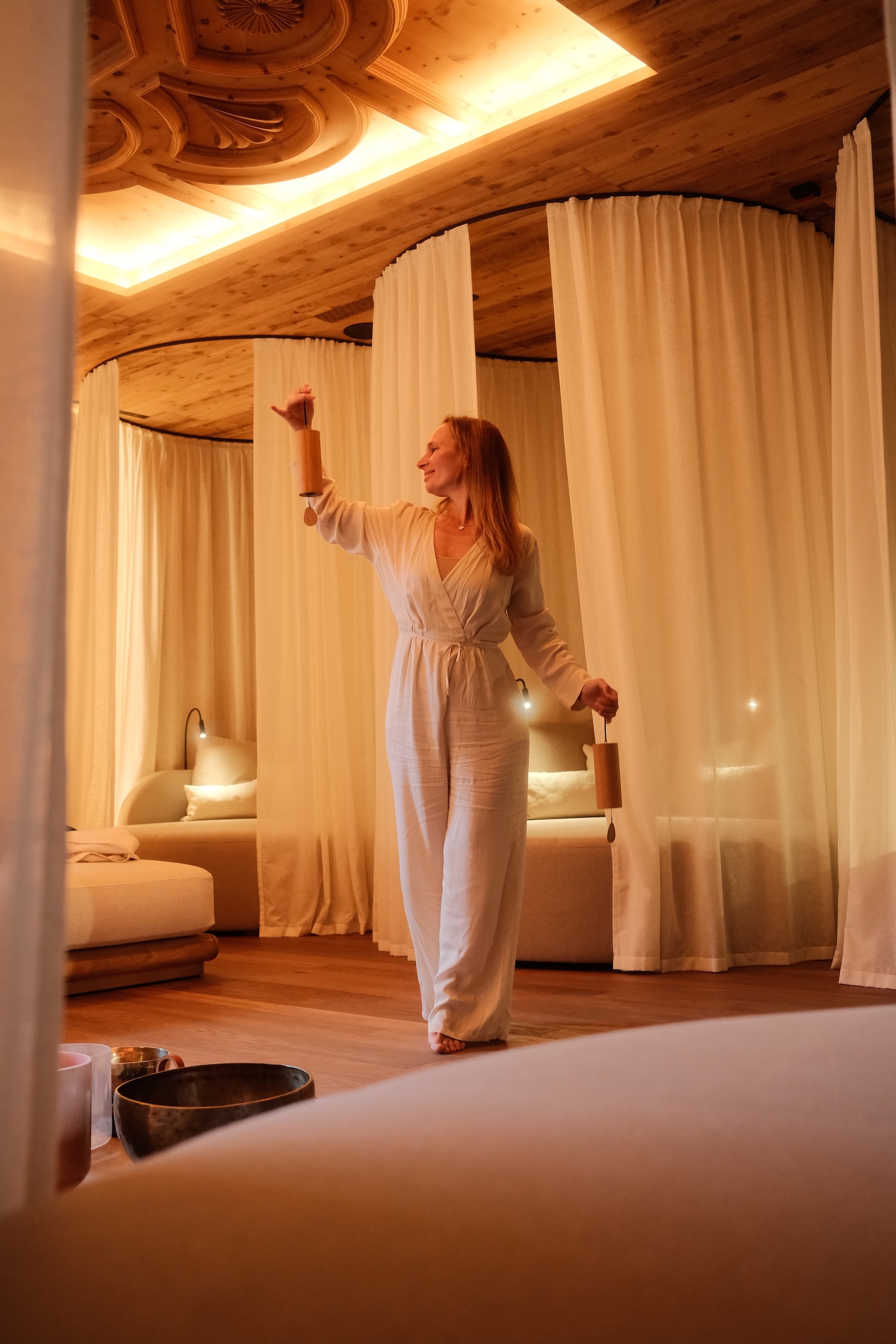
The Hypno-Sound Bath, Letizia Silvestri’s signature method, adds clinical hypnotherapy to live sound healing in a 60-minute session. Guided hypnotic language focuses attention while gong, crystal alchemy bowls, Tibetan singing bowls, ocean drum and chimes give the nervous system one steady signal to follow. One session can be restorative. Lasting change through hypnotherapy typically takes six to eight.
Post-holiday stress should ease as routines settle. Exhaustion, cynicism about work and falling effectiveness that persist for weeks are the signs the World Health Organization uses to define burnout, and they are a reason to speak to a doctor.
Letizia Silvestri leads Hypno-Sound Bath sessions for luxury hotels, retreats and corporate teams across Europe, and works one-to-one as a hypnotherapist. Upcoming dates are listed at altha.com/events.
Frequently Asked Questions
-
A. Post-holiday stress is the dip in mood, energy and concentration many people feel when they return to work after time off. In Italy it is known as stress da rientro. It is not a medical diagnosis and usually eases as daily routines settle.
-
A. Research shows that the health and wellbeing benefits of a holiday fade soon after work resumes, often within the first week or two. Sleep, time outdoors and a clear end to the working day help extend them.
-
A. Keep your holiday sleep schedule for the first two weeks, avoid overloading the first days, spend time outdoors every day and set a fixed end to the working day. A short daily practice such as self-hypnosis or slow breathing helps the nervous system settle.
-
A. Early research on sound baths reports lower self-rated tension and fatigue after a session. Hypnotherapy uses focused attention to change the patterns behind chronic stress, and lasting change typically takes six to eight sessions. Neither replaces medical care for persistent symptoms.
-
A. Letizia Silvestri works internationally with luxury hotels, retreats, events and corporate teams. In 2026 her sessions included Mindvalley U in Tallinn, Hotel Col Alto in Corvara, Hotel Ancora in Cortina d’Ampezzo and Mandarin Oriental properties in Abu Dhabi and Dubai. Upcoming dates and locations are listed at altha.com/events.