Ramadan 2026 in the UAE: The Neuroscience of Fasting, Nervous System Reset & Elevated Wellness
As we move through Ramadan 2026, many people in the UAE are looking beyond Iftar menus and dining hours. They’re asking about fasting’s effects on brain health, sleep, emotional balance, and nervous system regulation. This guide explores the neuroscience of intermittent fasting during Ramadan, its impact on cognition and circadian rhythm, and how intentional practices — including breathwork, somatic movement, and sound healing — can support a grounded, physiologically intelligent reset.

Ramadan as a Physiological & Spiritual Reset
Ramadan 2026 runs until around March 19, subject to official moon sighting confirmation in the UAE. For nearly a month, Muslims abstain from food and drink between dawn (Suhoor) and sunset (Iftar). While spiritually rooted, this practice also creates measurable neurological and metabolic shifts. At Altha, based between Dubai and Abu Dhabi, Ramadan is understood not simply as abstinence — but as a structured recalibration of metabolism, cognition, and emotional regulation. The month encourages:
Reflection and inner stillness
A calm, regulated nervous system
Reduced stress and emotional discipline
The Neuroscience of Fasting: What Happens to the Brain?
1. Autophagy & Cellular Repair
Extended fasting periods may activate autophagy — a cellular recycling process in which damaged components are broken down and repurposed. While the strongest data comes from longer fasting protocols and animal research, Ramadan-style intermittent fasting may stimulate similar repair mechanisms depending on caloric intake and fasting duration.
2. BDNF & Cognitive Clarity
Fasting has been associated with increased levels of brain-derived neurotrophic factor (BDNF), a protein linked to neuroplasticity, learning, and memory. After the initial adaptation period, many individuals report improved focus and mental clarity — potentially reflecting these neurochemical changes.
3. Insulin Sensitivity & Energy Stability
Fasting can improve insulin sensitivity over time, supporting more stable glucose regulation. During the first days of Ramadan, blood sugar fluctuations may cause irritability, fatigue, or headaches — especially in warmer UAE conditions. Adaptation typically occurs within several days as metabolic flexibility improves. Intentional nervous system support during this transition makes a meaningful difference.
Fasting & the Nervous System:
Why Ramadan Feels Like a Reset
Fasting is not only metabolic — it is neurological. Early in fasting, cortisol may temporarily rise to mobilise stored energy, activating the sympathetic nervous system (fight-or-flight) and heightening emotional reactivity. With consistency, reflection, and spiritual focus, parasympathetic regulation often strengthens. This branch of the autonomic nervous system supports calm, digestion, recovery, and emotional regulation. Ramadan becomes both a physiological reset and a spiritual recalibration. A simple and effective practice: slow nasal breathing before Iftar. Lengthening the exhale stimulates the vagus nerve, encouraging parasympathetic activation and reducing the likelihood of impulsive overeating.
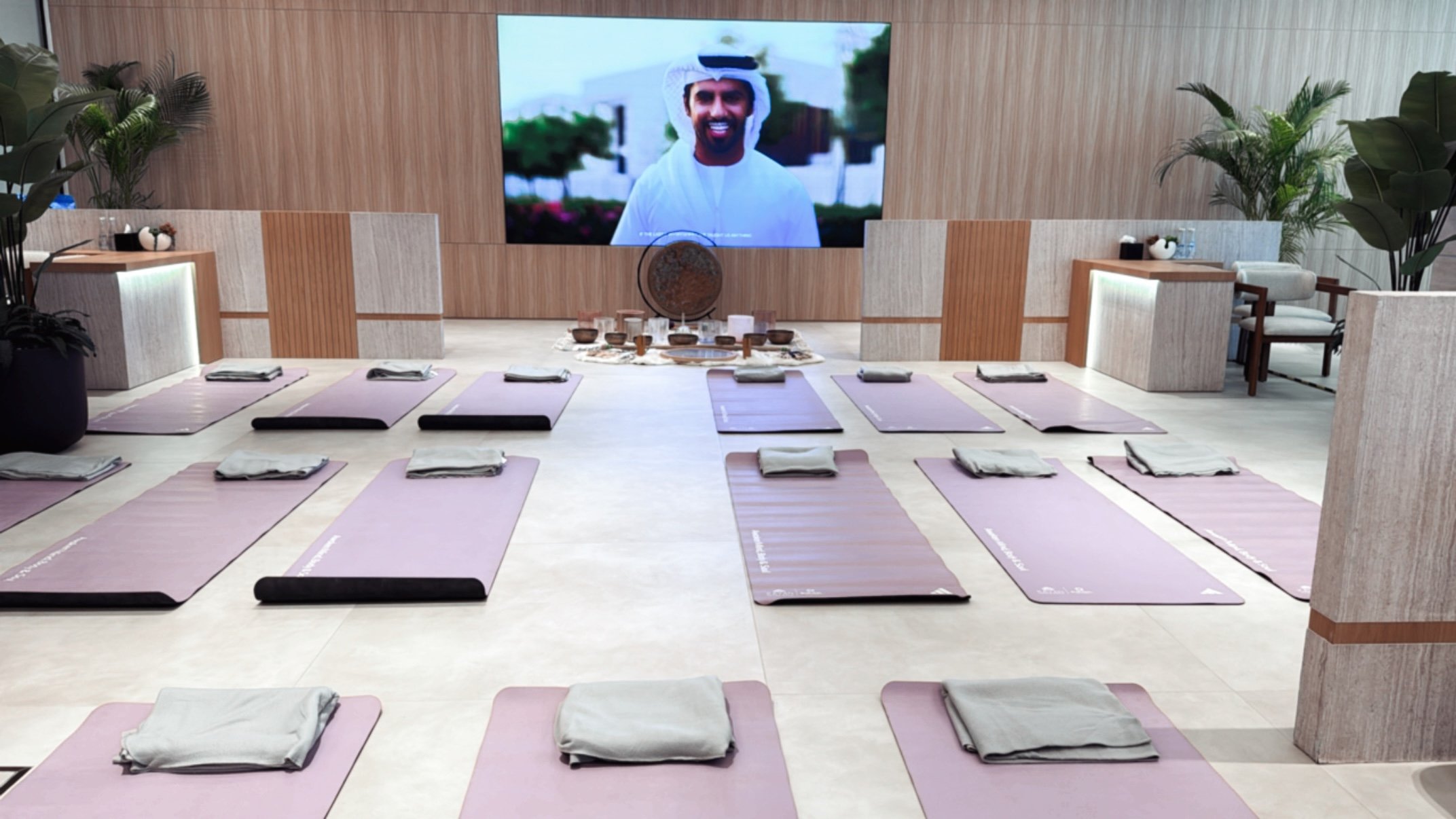
Sound Bath & Nervous System Regulation During Ramadan
Because Ramadan emphasises calm and inner stillness, many seek gentle, restorative practices during the month. Sound-based relaxation can be supportive when sessions respect prayer times, energy levels are considered (fasting can heighten sensitivity), and the environment remains modest and calm. Low-frequency harmonic tones used in structured sound sessions may support:
Nervous system regulation
Deep relaxation and stress recovery
Mental clarity and emotional reset
When approached thoughtfully, sound healing complements the reflective nature of Ramadan rather than distracting from it.
Sleep, Suhoor & Circadian Rhythm Optimisation
One of the most common Ramadan challenges in the UAE is sleep disruption. Waking before dawn for Suhoor, late evening prayers, and social gatherings shift circadian rhythm and melatonin release. Blue light exposure at night further suppresses melatonin, making it harder to return to sleep. Elevated core body temperature after late meals, dehydration, and fragmented REM cycles all contribute. Evidence-informed strategies include:
Maintaining a consistent wake-up time daily
Reducing blue light exposure 60 minutes before sleep
Keeping the bedroom cool and completely dark
Returning to slow nasal breathing after Suhoor
Using guided relaxation or breathwork techniques to ease back into sleep
Consistency matters more than trying to compensate with irregular longer sleeps.
Ramadan as Emotional Detox & Behavioural Training
Impulse control is governed by the prefrontal cortex. Research on delayed gratification shows that repeated restraint strengthens executive control networks. A 30-day fasting cycle reinforces behavioural repetition, ritual structure, and identity — and neuroplasticity follows. Ramadan is not deprivation. It is structured neurological training.
Bio-Optimisation Tips to Support the Ramadan Reset
1. Keep a Fixed Wake-Up Schedule
Wake at the same time daily to stabilise circadian rhythm, even if bedtime shifts slightly.
2. Strategic Light Exposure
Light is one of the most powerful regulators of hormonal timing:
View natural light shortly after sunrise
Spend time in midday sunlight
Observe sunset light to cue melatonin production
3. Mineral Support at Iftar
A small pinch of sea salt before drinking water at Iftar may enhance fluid absorption by supporting electrolyte balance — a simple practice that can reduce post-fast fatigue.
4. Reduce Screen Exposure at Night
Limiting digital stimulation in the evening hours supports emotional steadiness, melatonin production, and deeper rest.
Altha During Ramadan 2026
Two immersive evening experiences are available this Ramadan:
February 28 — The Art of Receiving at Villa Sage
A guided session designed to gently transition the body from sympathetic activation into parasympathetic recovery. Includes structured breathwork, guided nervous system regulation, and immersive sound-based relaxation.
March 14 — Half-Day Somatic Reset at Mandarin Oriental Jumeira, Dubai
An immersive afternoon experience including:
Somatic movement — slow, intentional sequences to release stored tension and restore body awareness
Breathwork — targeted techniques to balance the autonomic nervous system
Sound bath integration — harmonic frequencies to deepen relaxation and consolidate recovery
Private hypnotherapy and sound sessions in Dubai and Abu Dhabi are available with culturally respectful scheduling throughout the month.






Frequently Asked Questions
-
A. Ramadan 2026 is expected to conclude around March 19, 2026, pending official moon sighting confirmation.
-
A. Research suggests potential activation of autophagy, improved insulin sensitivity, and increased BDNF levels, which may support cognitive clarity and neuroplasticity in healthy individuals. Most findings come from preliminary or animal research, and individual responses vary.
-
A. Early fasting may elevate cortisol and cause blood sugar fluctuations, temporarily activating the sympathetic nervous system. This typically stabilizes within several days as metabolic adaptation improves.
-
A. Reduce blue light exposure at night, maintain a consistent wake time, cool and darken the bedroom, and use slow breathing or relaxation techniques after Suhoor.
-
A. Yes — when sessions respect prayer times, remain modest and calming, and are adapted to lower energy levels during fasting.