The Science of Breathwork: How Controlled Breathing Regulates the Nervous System
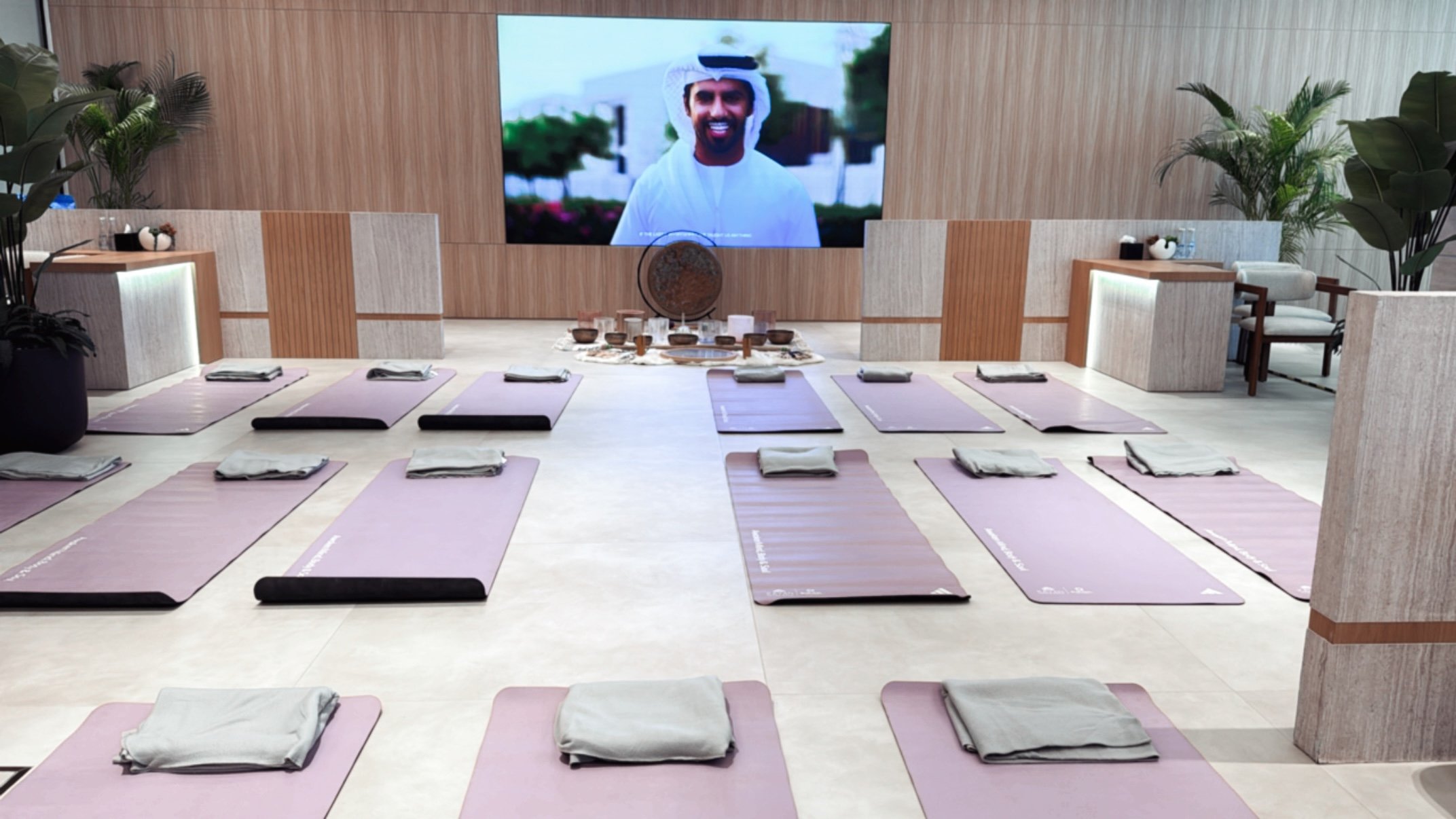
Imagine you're about to walk into a high-stakes board meeting. Your heart is racing, your thoughts are scattered, and your body is on full alert. What if you could shift that physiological state in under three minutes—without medication, without a coach in the room, and without anyone noticing? That's not a wellness promise. It's physiology. Across the UAE, professionals are increasingly turning to structured breathwork—not just for relaxation, but for measurable nervous system regulation, anxiety reduction, and cognitive performance optimization. At ALTHA, a performance and wellness practice based in Abu Dhabi, breathwork is positioned not as a spiritual tool but as applied physiology. When understood correctly, controlled breathing becomes one of the most efficient ways to regulate the autonomic nervous system and sharpen cognitive performance under pressure. Here's what the science actually shows.

The Nervous System:
Sympathetic vs. Parasympathetic
Your autonomic nervous system has two primary branches:
Sympathetic: Mobilization, stress response, heightened alertness
Parasympathetic: Recovery, digestion, calm and focused cognition
In high-performing corporate environments, chronic sympathetic activation is common. Deadlines, rapid decision-making, and constant connectivity can keep the nervous system in a prolonged state of activation—and over time, this erodes decision quality, emotional stability, and physical health. This is where structured nervous system regulation becomes essential for professionals across the region. Breath is the only autonomic function you can consciously control in real time. That makes it a direct and immediate access point for shifting physiological state.
The Vagus Nerve:
Your Body's Built-In Calm Switch
One of the primary mechanisms behind breathwork's effectiveness is stimulation of the vagus nerve—the main highway of the parasympathetic nervous system. The vagus nerve connects the brain to the heart, lungs, and digestive organs. When activated, it:
Slows heart rate
Reduces blood pressure
Decreases inflammatory responses
Promotes emotional stability and clearer thinking
The key is exhalation length. When the exhale extends beyond the inhale, baroreceptors in the cardiovascular system signal safety to the brainstem—increasing parasympathetic dominance. This is not abstract. It is measurable in real time via heart rate monitoring.
Longer exhale = stronger calming signal.
For executives managing high-stakes negotiations, investor calls, or public presentations, vagus nerve breathing techniques can shift physiology within minutes—reducing reactive behaviour and improving clarity of thought.
CO₂ Tolerance:
The Overlooked Driver of Stress Resilience
One of the most misunderstood aspects of anxiety and breathing is the role of carbon dioxide (CO₂). Contrary to common assumption, anxiety is not primarily caused by too little oxygen. In many cases, it is associated with chronic over-breathing, which reduces CO₂ levels in the blood. Low CO₂ can produce symptoms that closely mimic anxiety:
Dizziness and lightheadedness
Rapid heart rate
Heightened sensitivity and reactivity
Reduced cognitive flexibility
Breathwork protocols that gently and progressively raise CO₂ tolerance train the body to remain composed under rising internal sensations—translating directly to improved composure under professional pressure. For leaders and corporate teams across Dubai and Abu Dhabi, higher CO₂ tolerance means:
Greater composure under pressure
Reduced panic reactivity in high-stakes moments
More stable decision-making when it matters most
This is performance physiology.
Heart Rate Variability:
The Biomarker That Measures It All
‘Heart Rate Variability (HRV)—the variation in time between heartbeats—is one of the most reliable biomarkers of nervous system flexibility and overall resilience.
Higher HRV is consistently associated with:
Better emotional regulation
Improved executive functioning and strategic thinking
Greater resilience to stress
Faster recovery after setbacks
Research shows that controlled breathing at approximately 5–6 breaths per minute optimises HRV by synchronising heart rhythms with respiratory cycles—a phenomenon called respiratory sinus arrhythmia. This has been validated in published research, including work by Lehrer & Gevirtz (2014) on heart rate variability biofeedback.
At ALTHA, breathwork is integrated into executive performance programmes specifically because improving HRV directly enhances:
Leadership clarity under pressure
Strategic thinking in complex, fast-moving environments
Emotional stability in high-stakes interactions
Breathing is not separate from performance. It underpins it.
Exhale Length and Emotional Regulation:
A Practical Protocol
Under stress, breathing naturally becomes faster, shallower, and upper-chest dominant—reinforcing the very sympathetic activation you want to reduce.
Deliberately extending the exhale reverses this pattern.
A simple ratio used in nervous system regulation programmes:
Inhale: 4 seconds
Exhale: 6–8 seconds
Within minutes, this breathing pattern reliably lowers heart rate, reduces cortisol output over repeated practice, and improves attentional control. Note: acute cortisol changes take longer than a single session to manifest—the real power here is in consistent, repeated practice over time.
For professionals navigating demanding schedules, this becomes a portable regulation tool—usable before board meetings, investor calls, or any high-pressure situation requiring full cognitive presence.
Why Breathwork Matters in UAE Corporate Environments
Breathwork is trending globally, but in performance-driven cities like Dubai and Abu Dhabi, its relevance is particularly acute. High achievement in the region often comes with:
Chronic cognitive load from fast-paced, multi-timezone work cultures
Emotional suppression normalised as professionalism
Elevated baseline stress treated as a badge of productivity
Without active regulation, these patterns compound. The outcomes are predictable: burnout, impulsive decision-making, and a gradual erosion of the clarity that got people to the top in the first place. Science-based breathwork recalibrates baseline nervous system tone. At ALTHA, sessions are structured specifically around:
Precision-based vagus nerve stimulation
Progressive CO₂ resilience training
HRV optimisation protocols
Emotional regulation under cognitive load
This aligns directly with leadership development and sustained corporate performance—not as a soft add-on, but as a measurable physiological .
Final Thoughts
Breathing is not a background process. It is a real-time regulator of physiology, cognition, and emotional state. When applied with intention and consistency, breathwork becomes one of the most efficient tools available for nervous system regulation, anxiety reduction, and executive performance enhancement across the UAE.
The nervous system drives behaviour. Breath drives the nervous system. In high-pressure environments, the ability to consciously regulate your own state is not a luxury—it is a competitive advantage.






Frequently Asked Questions
-
A. Vagus nerve breathing refers to controlled breathing techniques—particularly those using extended exhales—that stimulate the vagus nerve and activate the parasympathetic nervous system, producing measurable physiological calm.
-
A. In many cases, anxiety is associated with chronic over-breathing and low CO₂ levels. Breathwork techniques regulate CO₂, slow heart rate, and shift the nervous system from sympathetic (stress) to parasympathetic (calm) dominance.
-
A. Yes. Published research demonstrates that controlled breathing improves heart rate variability (HRV), emotional regulation, and stress resilience. Key studies include Lehrer & Gevirtz (2014) on HRV biofeedback and a wide body of research on vagal tone and respiratory physiology.
-
A. Breathwork is increasingly integrated into leadership and executive performance programmes across the UAE to enhance clarity, focus, and emotional stability under pressure. At ALTHA, it is applied as a structured physiological intervention—not a wellness add-on.
-
A. When performed correctly, controlled breathing techniques can begin shifting nervous system state within minutes—making them practical for real-time stress management. Sustained improvements in HRV and stress resilience, however, develop through consistent practice over time.
-
A. ALTHA is a performance and wellness practice based in Abu Dhabi, offering science-based breathwork, nervous system regulation, and executive performance programmes for professionals and corporate teams across the UAE.