What to Actually Do When Stress Hits: A Practical, Evidence-Based Toolkit
Most stress management advice arrives as a list: meditate, exercise, sleep more, drink less coffee. All reasonable, none of it explaining why, in the actual moment your chest tightens or your thoughts start racing, none of it feels accessible. This is a practical guide to what to do when stress is happening right now, grounded in what the body is actually doing and why certain tools work faster than others.

What Is Happening in an Acute Stress Response
When the body perceives a threat, real or anticipated, the sympathetic nervous system activates a cascade: heart rate rises, breathing becomes shallow and fast, muscles tense, and digestion slows. This response evolved to help the body react quickly to physical danger. The difficulty is that the same system activates for a tense email, a traffic jam, or a difficult conversation, situations that need a clear head far more than a burst of physical readiness.
This explains why thinking your way out of acute stress rarely works well in the moment. The thinking part of the brain is not the part driving the response. The body needs a physiological signal that the threat has passed before the mind can fully settle, which is why body-based tools tend to act faster than cognitive ones during an acute spike.
Tools for the Acute Moment
These are designed to work within minutes, while stress is actively happening:
Hum, or sigh out loud. Vocal vibration in the throat is thought to engage a branch of the vagus nerve. A small pilot study found lower stress markers during humming than during rest, though the research is still preliminary. A long, audible exhale can produce a similar effect.
Gently massage around the ear. The area near the tragus sits close to a branch of the vagus nerve, which has made it a target for clinical stimulation devices in research settings. A gentle massage there is not the same as those devices, but the light touch can still feel calming.
Make a soft fist and tap gently on your chest. A slow, rhythmic tap over the sternum gives the nervous system a clear, repetitive sensation to orient to. It will not interrupt severe distress alone, but as a quick reset, many people find the rhythm steadying.
Unclench your jaw and drop your shoulders. Stress collects here without us noticing. Deliberately releasing both removes one of the body's quiet signals to itself that it is still on alert.
Splash cool water on your face. Brief cold exposure to the face triggers a well-documented reflex that can slow heart rate, offering a fast counter-signal as a stress response climbs.
Tools for the Hours After
Once the acute spike has passed, the goal shifts from calming the body to processing what happened:
Write it down without editing it. A few unfiltered minutes naming what triggered the response, with no requirement to solve anything yet.
Talk to someone, even briefly. Verbalizing stress to another person is one of the more reliably supported ways to reduce its physiological load.
Avoid immediately reaching for stimulants or screens as a distraction. Both tend to keep the nervous system activated rather than helping it settle.
Building a Longer-Term Practice
Acute tools manage the moment. A sustainable stress response also needs daily groundwork:
A consistent sleep window, since a poorly rested nervous system has a lower threshold for triggering stress responses
Regular movement, which helps regulate baseline stress hormone levels over time
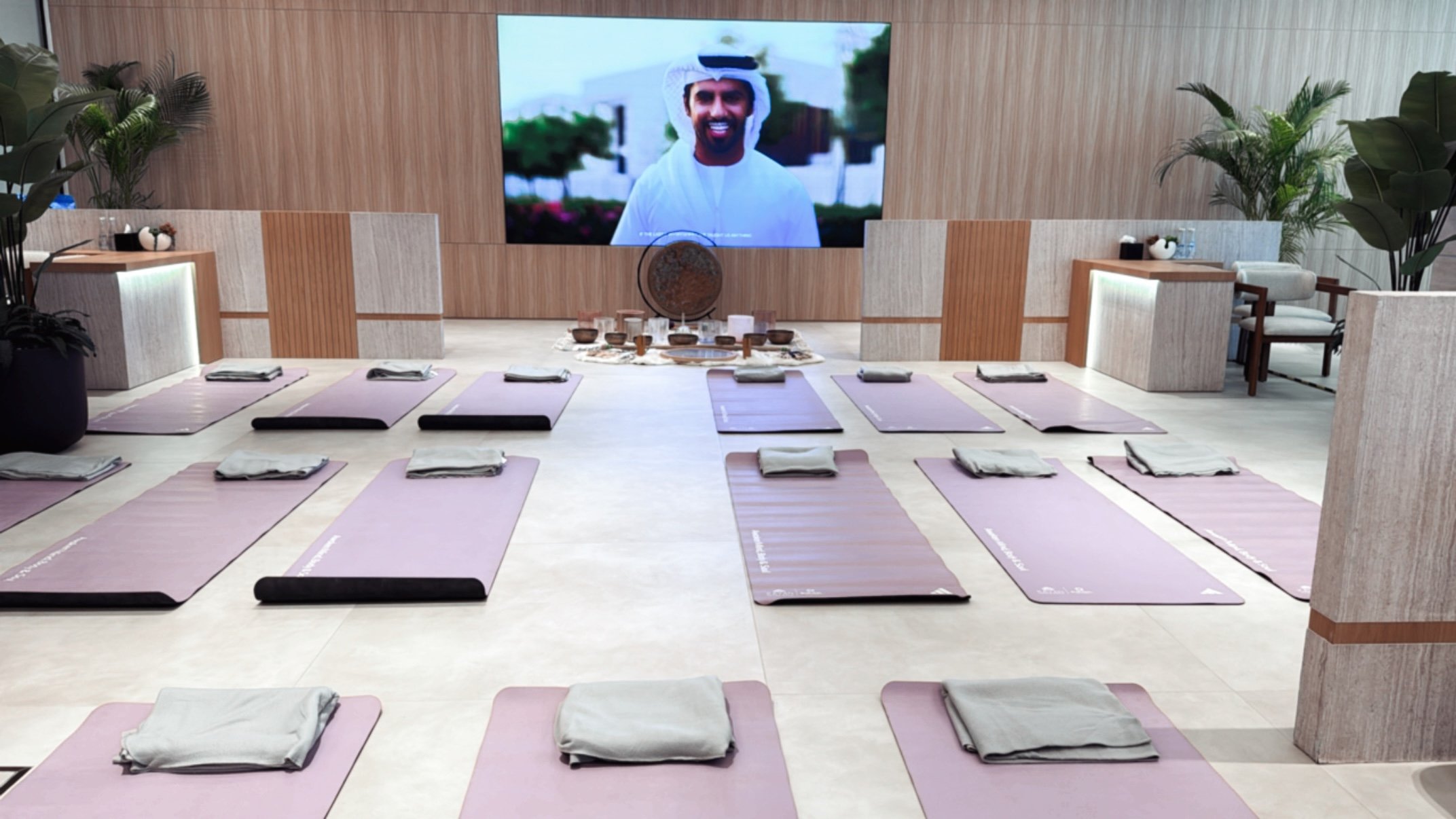
A daily practice, even five minutes, of deliberate down-regulation, such as breathwork, somatic movement, or guided relaxation, alongside periodic sound bath or sound healing sessions, rather than only reaching for tools in a crisis
When to Seek More Support
If stress responses are frequent, disproportionate to the situation, or interfering with daily functioning, sleep, or relationships, that is a signal worth bringing to a professional, whether a doctor, therapist, or qualified practitioner, rather than managing alone indefinitely. Acute tools are genuinely useful. They are not a substitute for addressing a nervous system that is chronically overloaded, and approaches such as hypnotherapy can be a useful part of that deeper work for some people.
Stress is not the enemy. It is an old, useful system doing exactly what it evolved to do, just often firing in response to threats that no longer require it. The goal is not to eliminate the response. It is to give the body reliable ways back to baseline once the moment has passed.






Frequently Asked Questions
-
A. Humming, sighing audibly, or gently massaging around the ear are quick options worth trying, alongside a splash of cool water on the face. None work identically for everyone, so it is worth testing which one your body responds to fastest.
-
A. During an acute stress response, the sympathetic nervous system takes priority, redirecting resources toward physical readiness rather than calm, deliberate thinking. This is a normal physiological pattern, not a personal failing, which is why body-based tools tend to work faster than trying to reason your way to calm.
-
A. Both have a place, but they are not interchangeable. Distraction through screens or stimulants tends to keep the nervous system activated. Processing through writing or talking to someone, once the acute spike has passed, more reliably helps the body fully settle.
-
A. Daily practice, even five minutes, builds a more resilient baseline over time, rather than only reaching for tools during a crisis. Consistent sleep and regular movement also play a significant role in how easily your nervous system returns to baseline after stress.
-
A. If stress responses are frequent, feel disproportionate to the situation, or are interfering with daily functioning, sleep, or relationships, it is worth speaking with a doctor, therapist, or qualified practitioner rather than managing it alone indefinitely.
-
A. They can support the longer-term groundwork alongside sleep and movement. Sound bath and sound healing sessions use therapeutic sound to support the body's down-regulation response, while somatic work focuses on releasing tension patterns the body has been holding. Neither is a substitute for addressing the source of chronic stress, but as a regular practice rather than a one-off, many people find them a useful complement to daily tools like breathwork.