
the altha journal
a blog for the conscious individual
Your guide to all things sound healing & wellness.
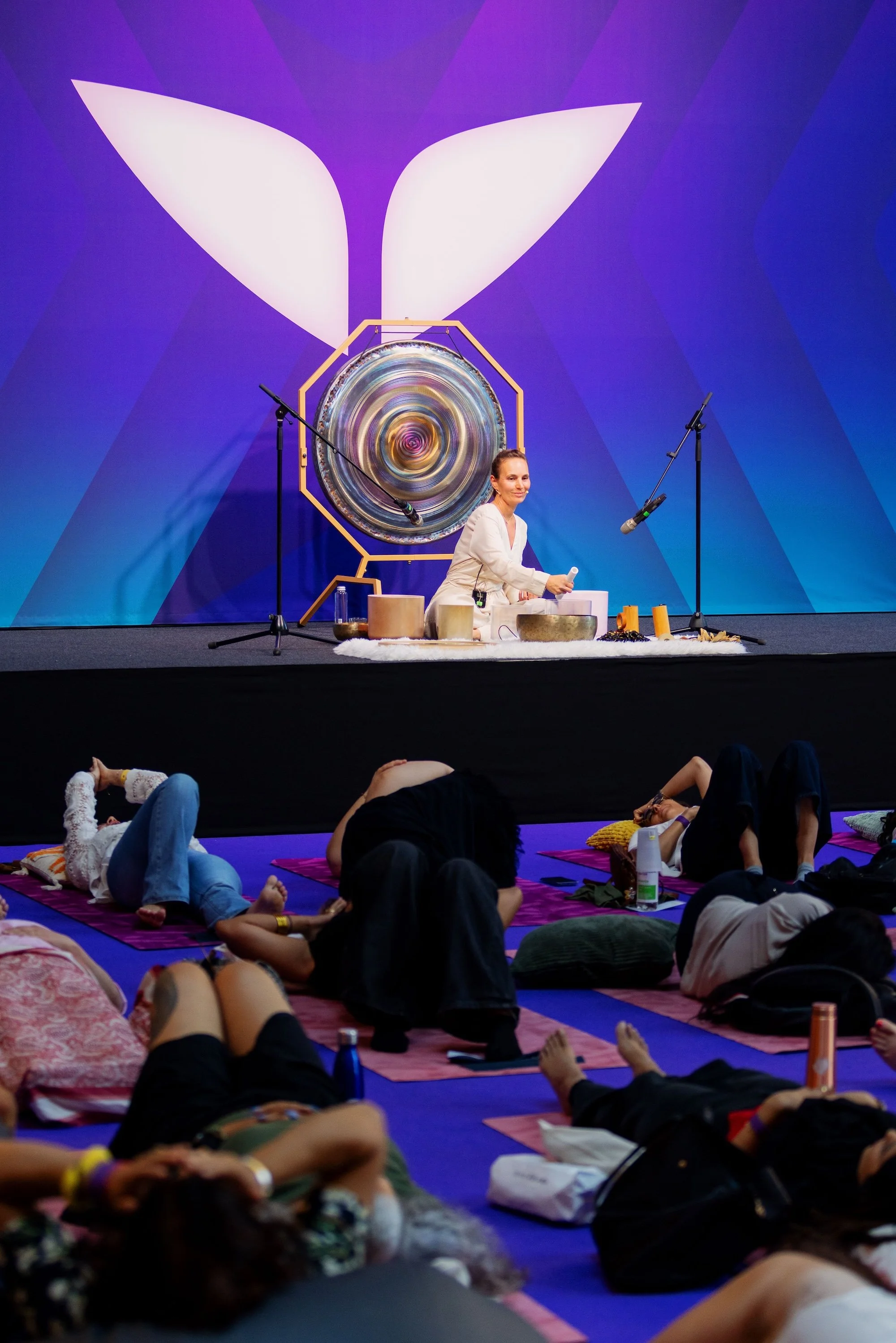
Overcoming the fear of public speaking: What I Learned on Stage at Mindvalley U Tallinn
From handing the microphone to a colleague at her first corporate booking, to shaking hands in front of 300 people, to leading a 60-minute Hypno-Sound Bath on the Embodiment stage at Mindvalley U Tallinn, a hypnotherapist's real account of overcoming the fear of public speaking, with one self-hypnosis technique anyone can use before their next high-stakes moment.

When You Feel You Cannot Take Time for Yourself, That Is Usually the Sign You Need To
By the end of April, I was calm on the surface and at capacity underneath, months of regional uncertainty accumulated in my body in a way rest at home could not touch. Here is what taking a real week away taught me about the gap between how we present and how our nervous system is actually doing, and what the research says about why structured time away works differently than an ordinary break.
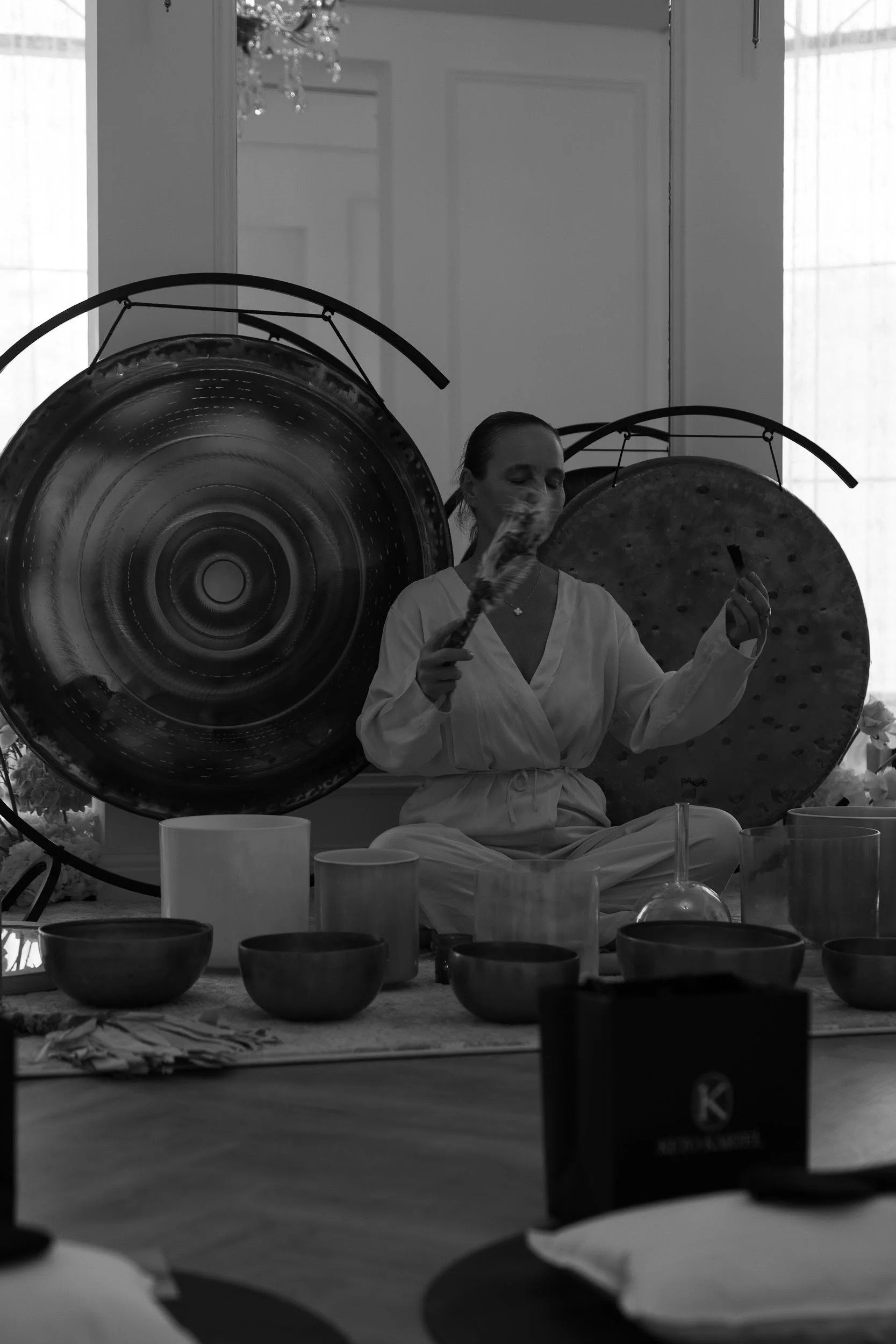
What Science Actually Knows About Sound Healing, and What It Doesn't Yet
Sound healing is old enough to feel timeless and new enough as a research subject that the science is still catching up. Here is an honest look at what current evidence actually supports, where common marketing claims outpace the research, and what genuinely remains unknown.

Closing the Season: What Resilience Actually Looks Like in the Body
The final floating Hypno-Sound Bath of the season at Mandarin Oriental Emirates Palace closed with peacocks wandering the grounds during setup, an unscripted reminder of what the evening was actually about. Here is what the research says about resilience as something built through repetition, why therapeutic hypnosis works the same way, and what to carry into the summer before the series resumes on September 25.
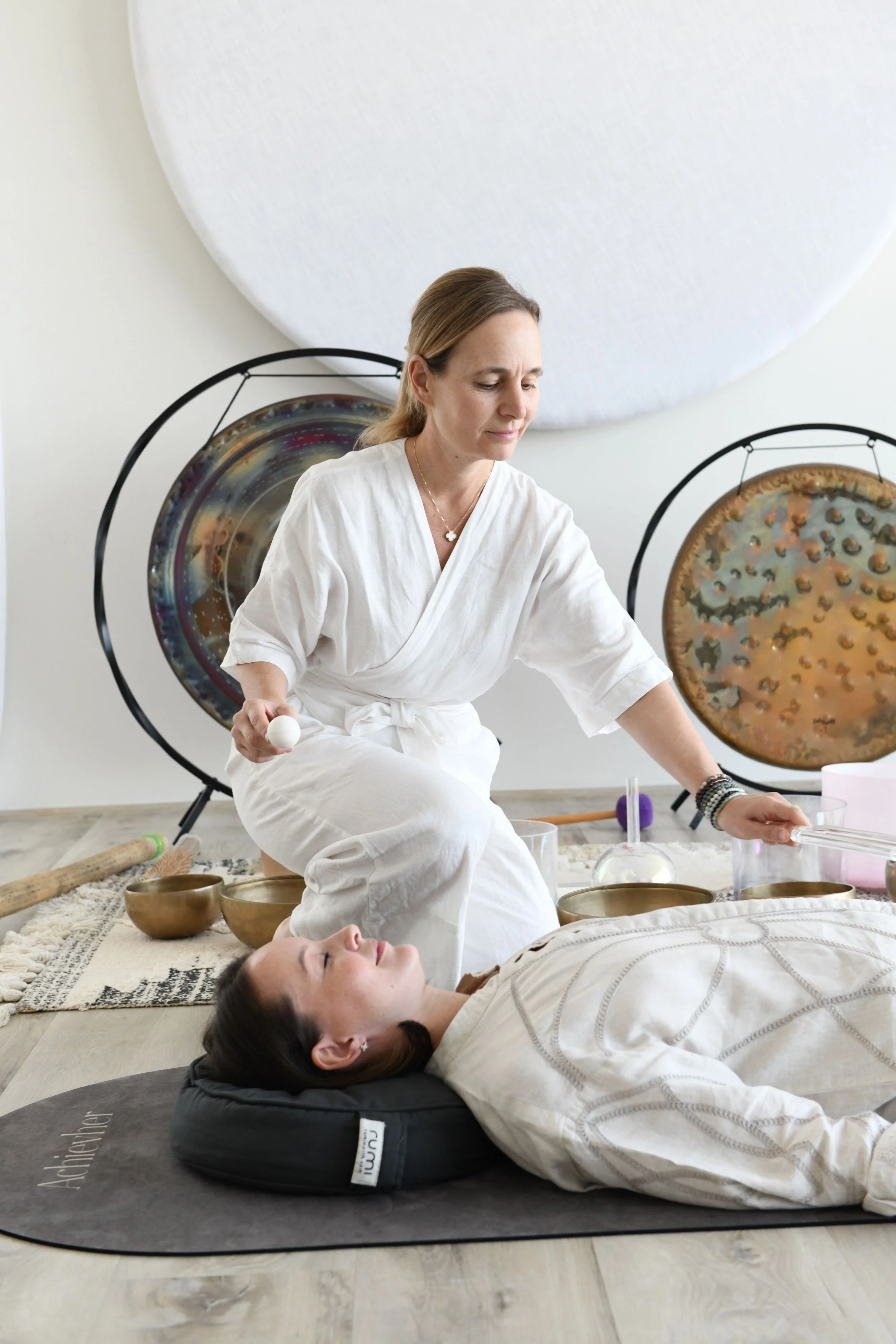
Why Some Sounds Calm You and Others Put You on Edge: The Science of Sound and the Nervous System
A dripping tap at 2am can feel unbearable, while rainfall at the same volume feels restful. The difference is not loudness but prediction. Here is what the science actually shows about why certain sounds calm the nervous system while others put it on alert, what high and low frequency genuinely mean in music, and where the evidence ends and the metaphor begins.
Sound Healing's Real History: What Ancient Traditions and Modern Frequency Science Actually Say
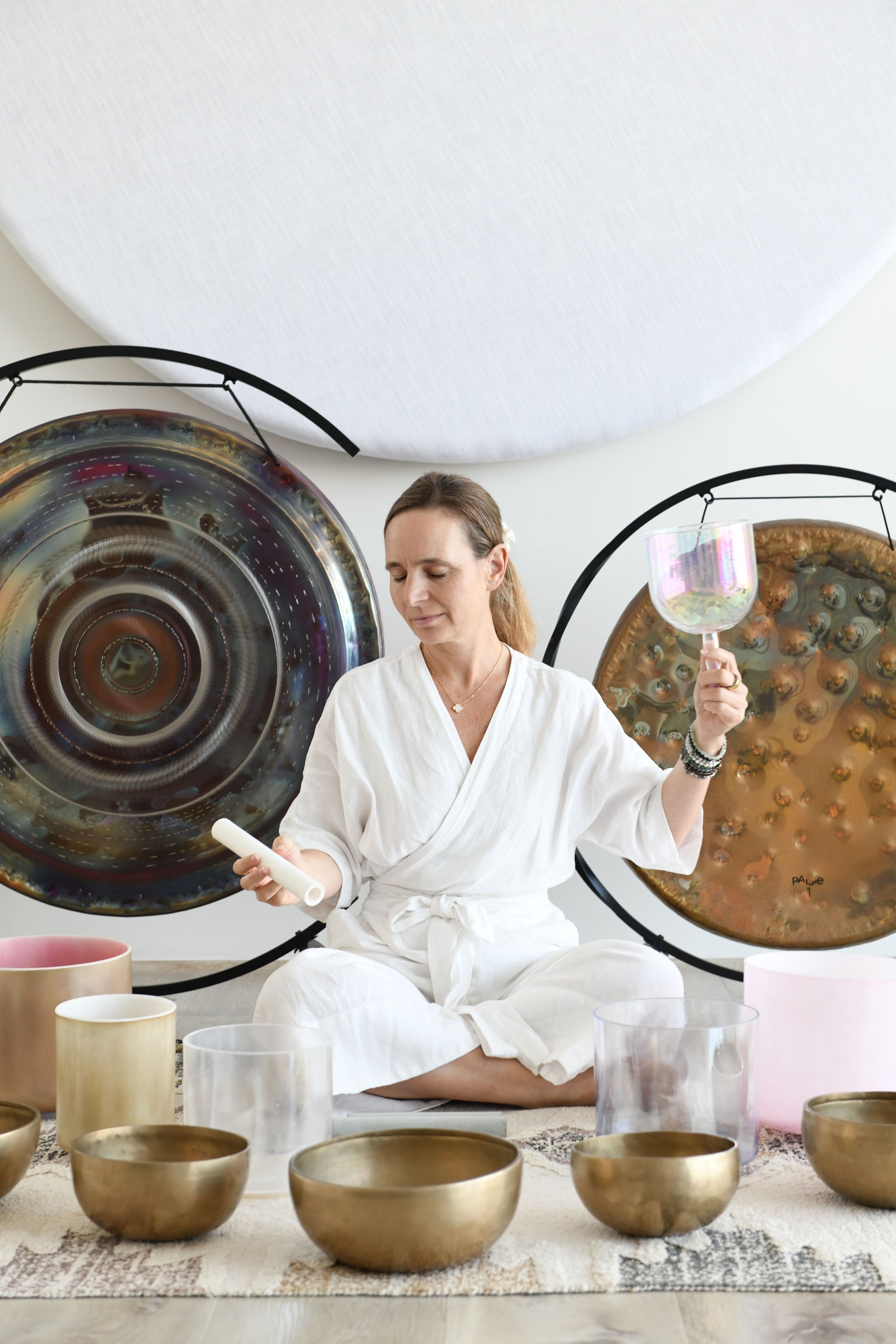
Almost every sound bath today is introduced with the phrase ancient Tibetan singing bowls, but historians and metallurgists tell a more complicated story. Here is what the historical record actually supports, what frequency means in precise physical terms, and what the real evidence shows about how sound interacts with the body.

What UAE Summer Heat Actually Does to Your Nervous System, According to the Research
The irritability and shortened patience that come with a UAE summer are not just in your head. A 2024 UAE-specific study and broader heat research show a real physiological mechanism behind it. Here is what the evidence actually shows about heat and the nervous system, and practical, evidence-aligned ways to support yourself through it.
What the Research Actually Says About Practicing Self-Hypnosis on Your Own
Most people assume hypnotherapy's benefits happen during the session itself. A 2019 systematic review of 22 randomized controlled trials on self-hypnosis found something different: the practice works best once it becomes independent, practiced alone rather than guided. Here is what the research actually shows about self-hypnosis as a daily practice.

The Ducks Joined the Sound Bath: What an Unplanned Visit Taught Us About Lightness
At the May 22 floating sound bath at Mandarin Oriental Emirates Palace, an entire family of ducks swam into the middle of the session and stayed until guests opened their eyes. Here is what that unexpected visit reveals about the role of lightness, not just heaviness, in genuine nervous system regulation.

Why Stillness Is a Performance Strategy: The Neurobiology of Recovery
High performers often treat rest as a reward earned after the work, not a requirement for the work itself. The research says otherwise. Here is the actual neurobiology behind why stillness functions as a performance strategy, not its opposite, including what happens when chronic stress interferes with the body's ability to recover at all.

What Ten Years at Ferrari Taught Me About Identity, Burnout, and Why I Built the Altha Collective
Eighteen years in corporate luxury, including a decade at Ferrari, taught me what happens when a job title becomes an identity. I believe that same reckoning is coming for millions of people as automation reshapes work. Here is why I built the Altha Collective to train healers and sound practitioners for that moment, and what the program actually covers.

What to Actually Do When Stress Hits: A Practical, Evidence-Based Toolkit
When stress hits in the moment, thinking your way out of it rarely works, because the thinking brain is not what is driving the response. Here is a practical, evidence-based toolkit for the acute moment, the hours after, and the daily groundwork that builds a more resilient baseline over time.
Resilience Is Not Positivity: What the Research Actually Says About Bouncing Back
Resilience has become shorthand for relentless positivity, but the research describes something different: a dynamic process built through honest acknowledgment, real support, and direct nervous system regulation, not forced optimism. Here is what the evidence actually shows about how people genuinely adapt through difficulty.
Beyond the Pocket Watch: What Hypnotherapy Actually Is, According to the Evidence
Hypnotherapy still carries the residue of stage shows, swinging pocket watches and a loss of control played for laughs. The clinical reality is different, and increasingly evidence-based. Here is what hypnosis actually is, what a session involves, what current research genuinely supports, and where the honest limits of that evidence sit.

Tired or Burned Out? How to Tell What Your Body Is Actually Signaling
Exhaustion and burnout are not the same condition, and they do not respond to the same fixes. The WHO defines burnout precisely, as a syndrome resulting from chronic, unmanaged workplace stress, distinct from ordinary tiredness. Here is how to tell the difference, why willpower alone will not resolve it, and what actually helps a nervous system that has been switched on for too long.

What Your Sleep Is Actually Telling You About Your Nervous System
Sleep disturbance is one of the most consistent indicators of autonomic nervous system dysregulation. When sympathetic activation remains elevated — due to accumulated stress, unresolved threat responses, or chronic overload — the physiological conditions required for slow-wave and REM sleep are compromised. On World Sleep Day, we examine what specific sleep patterns reveal about nervous system state, and which evidence-based interventions — from extended exhale breathwork and clinical hypnotherapy to sound therapy in Dubai and Abu Dhabi — address the underlying cause.
14 Days Into Uncertainty: What War Taught Me About the Nervous System
On February 28, 2026, missile alerts across the UAE triggered a collective stress response that millions of people are still carrying. Research on the autonomic nervous system shows that sustained threat exposure — even when resolved — leaves physiological residue: elevated cortisol, disrupted sleep architecture, and a nervous system calibrated for vigilance rather than rest. This is a first-hand account of what nervous system regulation looks like under real conditions, and the evidence-based tools — breathwork, vocal toning, co-regulation, self-hypnosis, grounding — that supported recovery.
The Nervous System Reset: How to Recover When You've Been Running on Empty
Research on allostatic load — the cumulative physiological cost of chronic, unrecovered stress — links sustained nervous system activation to elevated cortisol, immune suppression, disrupted sleep, and impaired cognitive function. These effects accumulate gradually and are frequently missed in high-performing individuals until the system reaches a critical threshold. This piece examines the clinical signs of nervous system depletion, the evidence-based modalities — sound healing, hypnotherapy, breathwork, somatic movement — that support genuine recalibration, and a realistic timeline for recovery.

Ramadan 2026 in the UAE: The Neuroscience of Fasting, Nervous System Reset & Elevated Wellness
Feeling wired, fragmented, or emotionally raw during Ramadan? Your nervous system is adapting. This evidence-based guide explores how fasting shifts your brain chemistry, disrupts sleep, and — with the right support — becomes one of the most powerful resets of the year.
The Physiology of Burnout
Burnout is a nervous system problem. Chronic cortisol elevation, sympathetic dominance, sleep disruption, and decision fatigue are quietly impairing executive performance. This article explores the physiology behind the burnout that leaders experience and how Altha's structured breathwork and sound-based regulation methods are redefining corporate wellness across the UAE.
